For a camera intended for quick, spontaneous recording, prioritize a model that lets the user begin the core recording task on the camera itself. Give the app a larger role when phone-based framing, control or access to footage is central to the product's appeal. This is a buying decision about the experience you want to sell, not simply a choice between a camera with Wi-Fi and one without it.
A connected feature earns its place when it makes a valued task easier. It can also introduce setup steps the customer encounters before enjoying the camera. Buyers should decide where that trade-off belongs before selecting a model. AUSEK's established cameras, sample coordination and engineering support allow that decision to be made around actual operation.
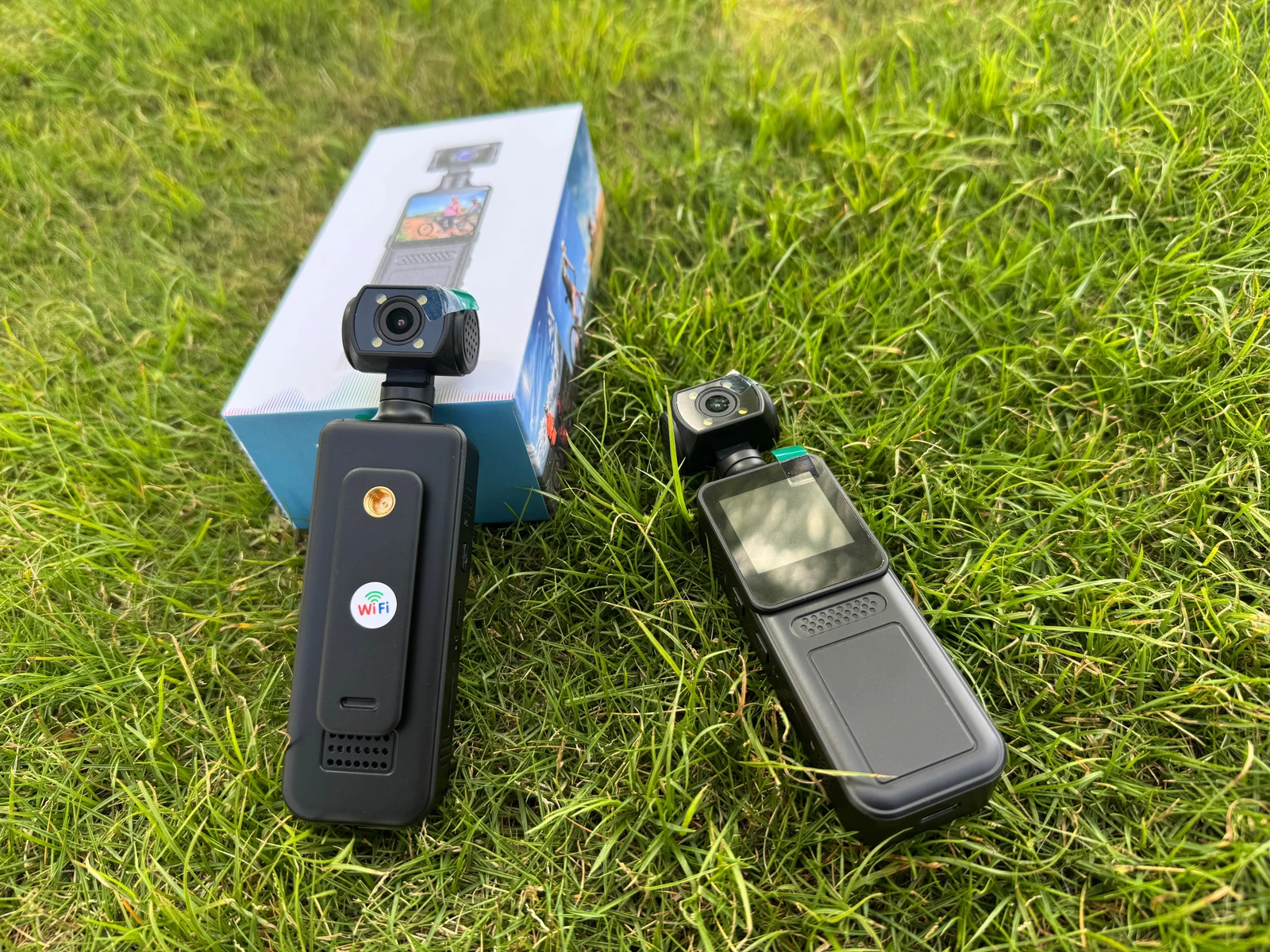
Match the connection to the moment of use
Imagine a customer seeing something worth recording while walking. Reaching for a camera and pressing a control fits that moment. If the intended workflow first requires finding a phone, opening an app and reconnecting, the sequence may undermine the reason that customer wanted a small camera.
Now consider a camera positioned where its screen is difficult to see. Phone-based framing or control may be a meaningful benefit, provided the selected model supports the required functions. The same connection that adds effort to one use can make another use practical.
Gift channels deserve particular attention. The person receiving the camera may know much less about it than the person who bought it. For a broad gift audience, favor a straightforward first recording and a clear explanation of any later phone connection. For an enthusiast audience choosing the camera specifically for connected operation, demonstrate that connected experience early in the sales content.
This distinction gives the factory a useful brief. Describe what must happen at the moment of recording and what can wait until afterward. AUSEK can then discuss suitable products around the customer's sequence, rather than treating a connectivity label as the whole requirement.
The recording is only useful when the customer can use the file
Starting successfully is half of the experience. The customer also needs to retrieve and view the recording in the intended way. A product aimed at phone sharing should be evaluated through that full route. A product used for recording now and editing later may need a different emphasis.
Exact model details matter here. AUSEK's H88 information names the 录风者 app for AS-H88-1080P and AS-H88PRO-4K. The AS-H88-4K entry does not specify an app name, so establish its actual connection route when requesting that sample. Similar names and housings are not enough to define the workflow.
The listed file configurations also differ: AS-H88-1080P uses MP4 with H.264, while the listed ordinary 4K and Pro versions use MP4 with H.265. Evaluate the resulting file on the devices your channel expects customers to use. The commercial question is whether a buyer can get from the camera to a usable recording with an explanation your channel can comfortably provide.
Request the exact configuration you plan to order. Keep the sample, app identity and operating instructions together throughout the evaluation. That gives the product page and support team a clear reference when they explain the finished offer.
Use sample support to remove avoidable friction
The most useful sample session follows an ordinary first use, starting with the camera and its proposed instructions. Use phones and operating systems relevant to the target market. Continue through recording, retrieval and playback, then return to the camera after it has been switched off and used again.
When a step is confusing, identify what caused the confusion. The guide may need a clearer image, the user may need to select a setting, or a different model may suit the audience better. An observed connection failure needs the exact device environment and sequence so it can be investigated. These findings lead to different purchasing decisions.
AUSEK's trade team can take those observations to engineering and production. The buyer gains a direct route from a sample experience to product knowledge. This is especially useful for a brand that understands its customers well but does not have its own camera engineers.
Instructions are part of the solution. Through AUSEK's OEM service, buyers can discuss manuals and packaging, along with menu-language options supported by the selected model. Use that scope to make the first task clear and place the phone instructions where the user needs them. A guide tied to the actual camera is more useful than a generic page describing Wi-Fi features.
Sell the workflow your channel can support
Choose the model whose main benefit survives ordinary use by the intended customer. A broad retail or gift offer should put particular weight on a simple first recording. A connected-camera offer should make the phone's contribution visible and worth the setup. In both cases, the recorded result needs a practical route to its intended destination.
The sales demonstration should follow that same sequence. Show what happens on the camera, what happens on the phone and how the file becomes available. This helps customers choose for a reason they understand and gives customer service a useful basis for answering later questions.
Send AUSEK the main recording task, sales channel and important phone environments. Ask to compare suitable samples through that complete experience. The right amount of app dependence is the amount that helps your customer do what they bought the camera to do.