Build the first tier as a complete gift worth buying on its own. Then give the premium offer one difference that staff can demonstrate and shoppers can understand. For keychain cameras, a flip screen, a rotating lens or a more useful complete kit can make that difference visible. Two long specification lists rarely explain a gift range as clearly as two well-chosen samples.
AUSEK's mini-camera models and OEM service let buyers develop the distinction in the camera itself or in its surrounding kit. Start with the customer experience, then use complete quotations and your channel economics to decide whether the proposed price gap works.
The entry product has to make the first sale
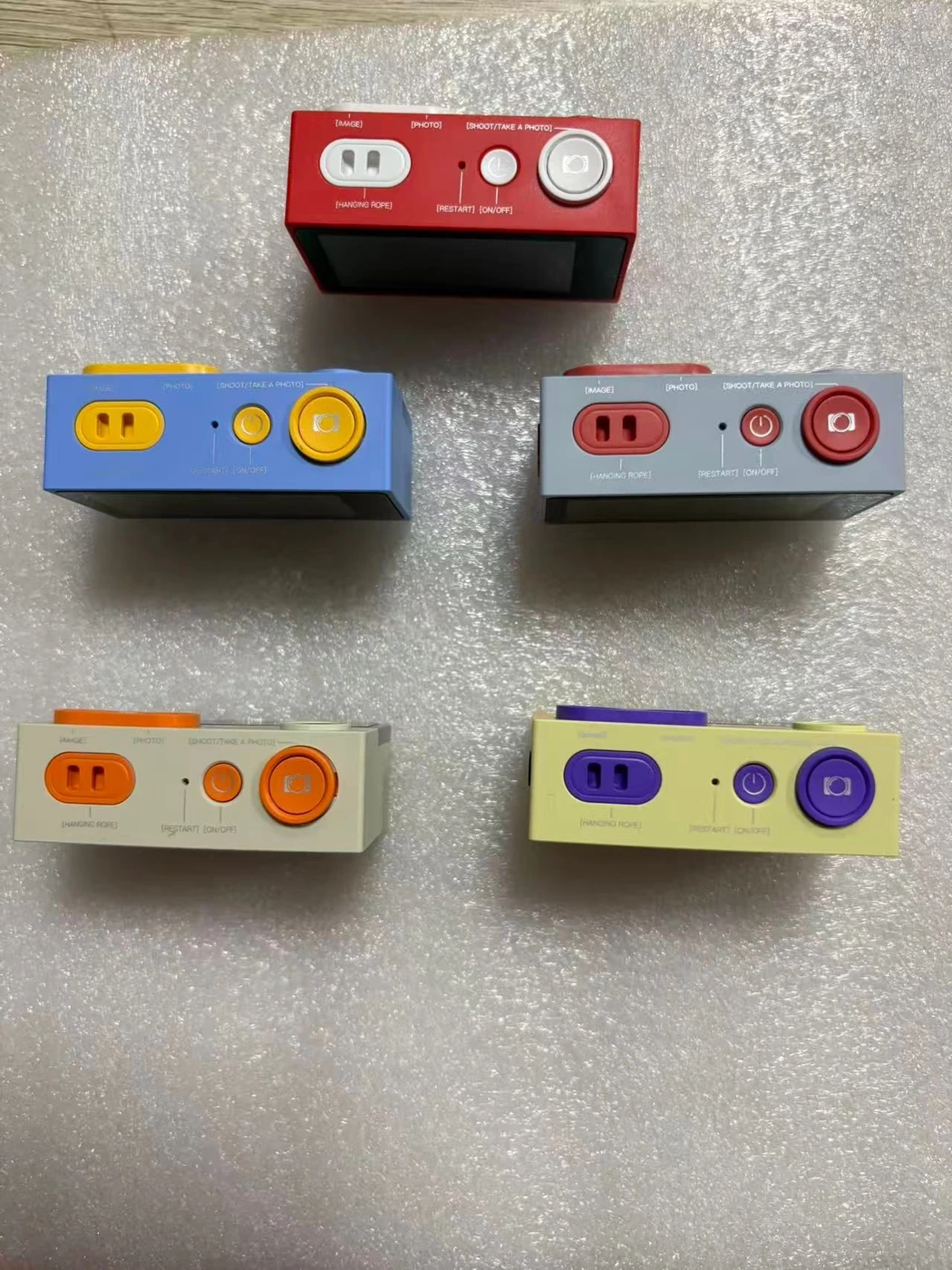
A starter camera gift needs its own appeal: a compact object that looks enjoyable to give and offers a recording experience the recipient can understand. Treat it as a finished product. Useful contents, a clear guide and a coherent package matter at this tier because there is little room for the shopper to work out missing details.
AC-G6 is one candidate for that role. Its catalog configuration combines a keychain form, a 0.96-inch screen and a 130-degree wide-angle lens. Its listed 1080P output is interpolated from 720P. Evaluate the actual footage alongside its handling and appearance, and position the product around the experience the sample supports.
For a casual camera gift, the demonstration can be short: hold the small camera, make a recording and show how the result is viewed. Settle the storage arrangement and supplied accessories as part of the offer. A shopper should understand what the recipient receives and what is needed to start.
This gives the entry tier a commercial purpose even when the customer declines the upgrade. It also establishes the reference against which the second product needs to add value.
Make the upgrade visible in one movement
For a shop that can display working samples, consider a functional difference before spending more on decoration. A shopper can immediately see a screen opening or a lens changing direction. That gives staff something concrete to demonstrate and the gift purchaser a benefit to describe to the recipient.
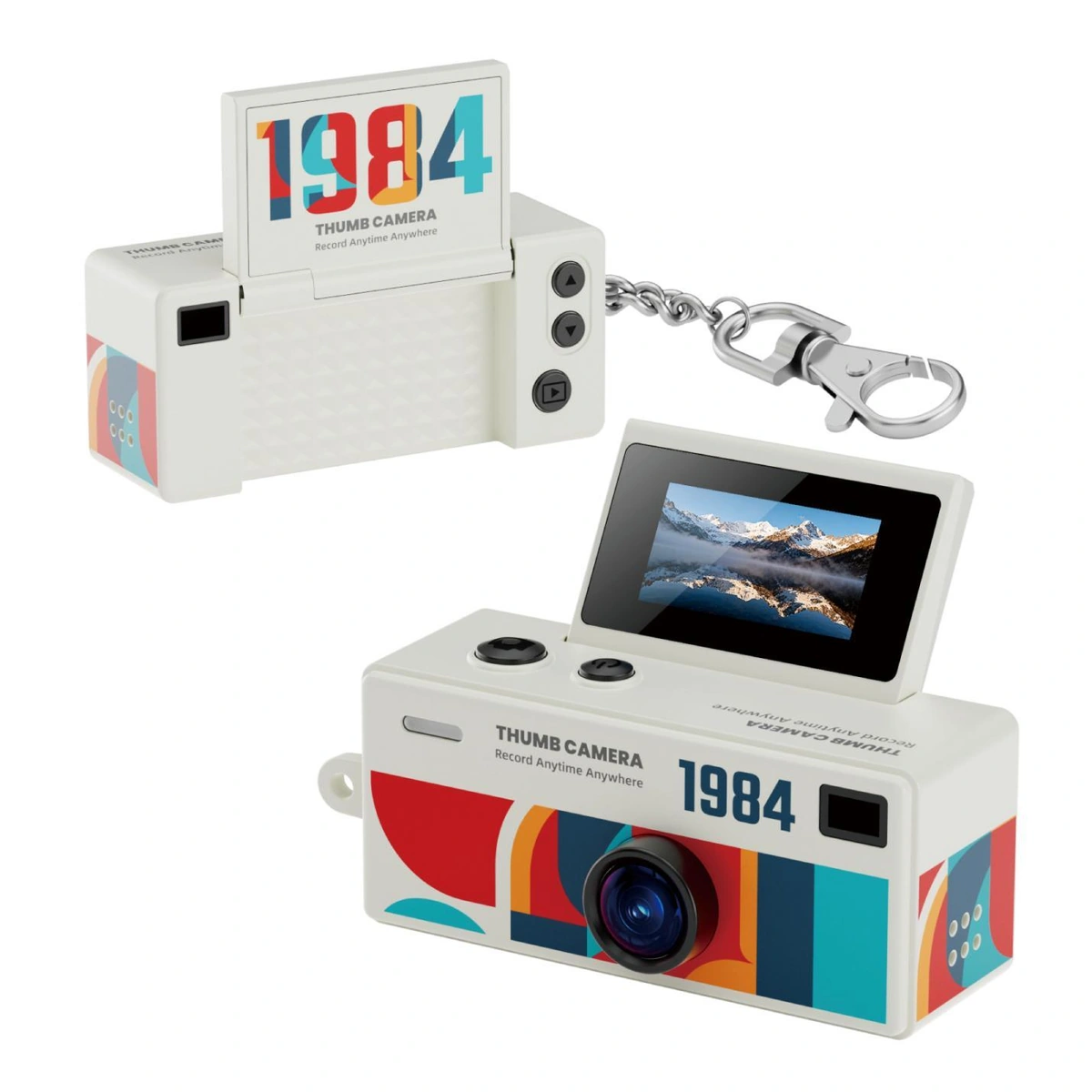
AC-G62 provides a 0.96-inch flip screen in its catalog configuration. Its possible role in a two-tier offer comes from that viewing arrangement. Open the screen, hold the camera in the intended way and decide whether the movement makes the gift more appealing for your audience.
The catalog AC-G10 is another candidate when changing the shooting direction is more relevant. It combines 2K recording with a 270-degree rotating lens and supports selfie use. A short demonstration can show the lens moving between the directions the recipient wants to record.
For an initial two-tier range, select the one upgrade your channel can explain best. Launching both upgrade candidates immediately may spread attention and stock across distinctions customers have not yet shown they value. The quoted configuration and actual sample determine which model fits the intended commercial tier; model names alone do not establish a price hierarchy.
Let the channel decide whether to upgrade the camera or the gift set
An independent gift store with hands-on demonstrations may get more value from a visible hardware difference. An online or corporate gift offer may put greater weight on a complete presentation and contents suited to the recipient. In that case, two offers can share the camera while the second adds a useful kit or more developed gift packaging.
AUSEK's mature-model OEM service allows buyers to discuss packaging, manuals, accessory combinations and branding. Use that scope to make the premium offer more useful or easier to give. Each added item should have a role in the experience or presentation.
Sharing the main unit lets the retailer reuse some operating content and product knowledge. Choosing a different camera creates a functional distinction but also requires its own explanation. Compare those preparation costs with the value shoppers are expected to notice.
A complete sample is particularly important when presentation carries the upgrade. Open the box as a recipient would. The arrangement, contents and guide need to make the additional value evident. A larger box by itself does little to explain why the gift deserves a higher price.
Price two complete offers, then watch why customers choose
Request both quotations with the camera, accessories, packaging and instructions defined. Add the freight, handling and channel costs relevant to your business. This shows what the proposed upgrade costs to supply as a finished product and what retail price it would need to support.
Keep the sales explanation connected to that difference. Staff should be able to introduce the entry product confidently and then demonstrate the reason to spend more. If the explanation remains vague, revise the product pairing or kit before placing the bulk order.
After launch, follow the two offers separately and listen to the reasons customers give. A visible feature that attracts handling may or may not drive purchases at the chosen price. A gift presentation may matter more in one channel than another. Use those observations to decide which offer to replenish and whether the next order needs a different combination.
Send AUSEK the retail channel, intended recipient and the difference you want the second tier to offer. Begin with two complete samples and two comparable quotations. A clear entry product and a demonstrable upgrade give the retailer a range it can explain, price and develop with purpose.