If two channels need the same camera functions but different accessories or presentation, start by developing two kits around one established model. This can reduce repeated product preparation and make the range easier to support. To gain inventory flexibility as well, decide where cameras will remain available for either kit and who will complete them when demand becomes clear.
The point at which a camera is packed into a channel-specific offer determines much of the result. Two finished kits can share a model while still creating two separate inventories. A common stock of cameras can support either channel for longer, but it requires an operation capable of completing and checking the kits. Buyers should choose that arrangement deliberately.
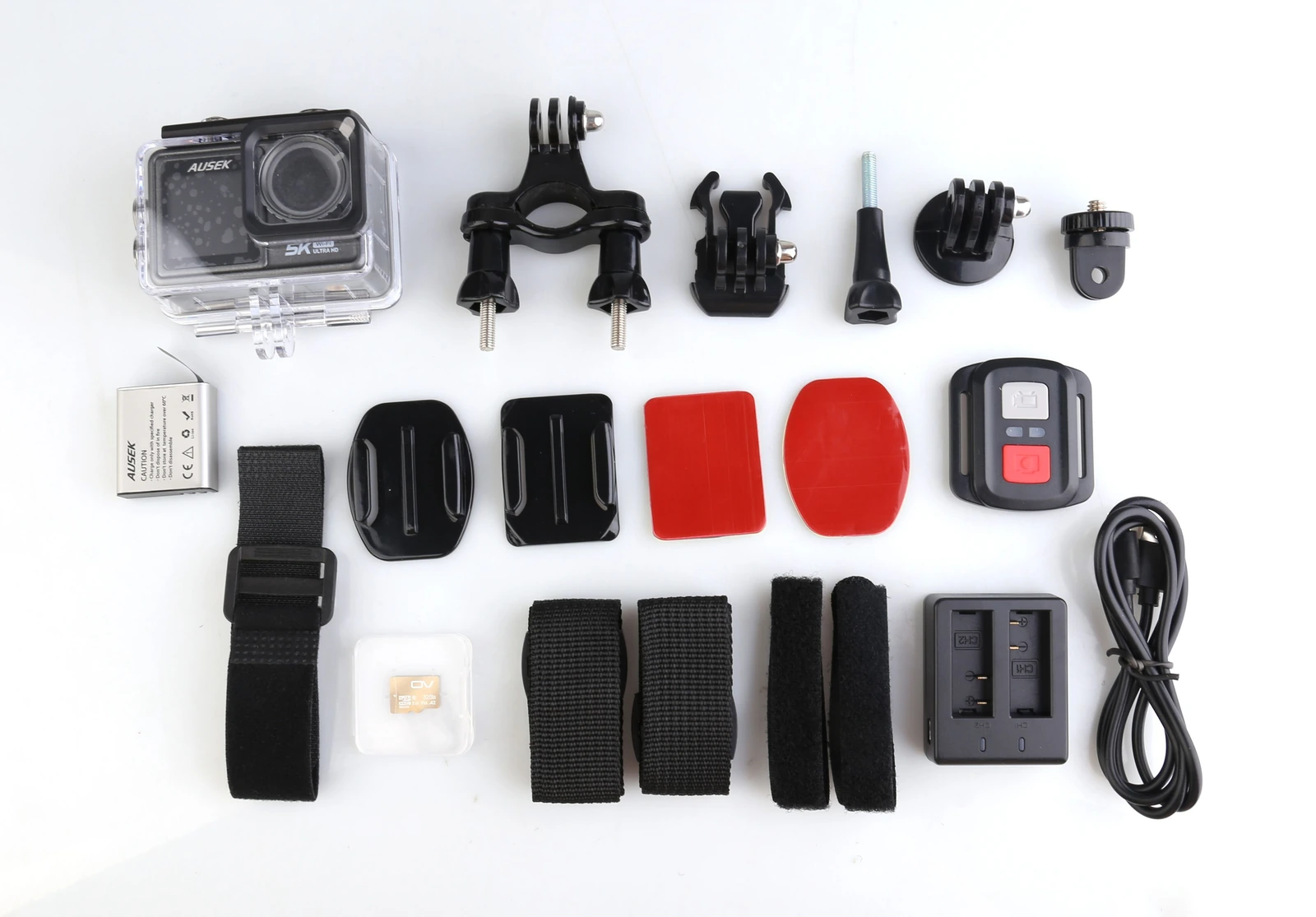
Share the part customers use in the same way
Consider a brand selling through an outdoor retailer and its own online store. Both audiences may need the same recording functions, while the retailer wants an activity-specific accessory set and the online offer centers on everyday use. This is a promising reason to share a camera and differentiate the kit.
Begin with both uses in the sample discussion. AUSEK can help buyers compare mature models and bring engineering into questions about operation or accessories. Approve a main-unit configuration that genuinely suits both offers, including the relevant controls, recording modes and language requirements.
If the channels need substantially different camera performance, keep the models separate. Sharing works best when the common product already meets both needs. Forcing an unsuitable camera into one channel can consume the savings through a harder sales explanation and more complicated support.
Where the fit is good, the first benefit is immediate. The brand learns one core camera, reuses suitable photography and operating content, and gives customer service a common base. Channel-specific work can then focus on what changes in the kit and why the customer needs it.
Put the difference where it helps the sale
The two kits should each have a clear job. An activity kit may emphasize an appropriate mounting combination. An everyday kit may favor compact contents and an easy introduction. Select accessories for that use and show them working with the camera in the complete sample.
AUSEK's OEM options include discussion of accessory combinations, packaging, manuals and branding around established models. This lets the buyer develop the channel offers alongside the same manufacturing base. It also helps keep the instructions tied to the actual contents, rather than describing accessories that one kit does not include.
Retain a common camera identity wherever the channel allows it. A different logo on the main unit, a dedicated configuration or another change to the camera itself can make units specific to one offer earlier than expected. If the commercial distinction can live in the package and accessories, the main unit has more opportunity to remain shared.
That does not mean making the two offers look identical. A useful mounting demonstration, the box presentation and the included guide can explain a channel's purpose clearly. The buyer should be able to introduce each complete sample without inventing a difference in camera performance.
Choose who will turn a camera into a finished kit
For a business whose warehouse only stores and dispatches finished goods, order the two kits ready-packed. This is the stronger starting arrangement when local assembly would create extra handling the business is not prepared to manage. Shared hardware still reduces product preparation, but forecast and replenish each finished kit separately.
For a business that already assembles sets and checks outgoing contents, common main units with separate kit materials may be useful. Allocation can happen closer to the channel order. A camera goes into the approved kit that needs it next, while the operation follows a defined contents list and packing method.
Imagine a planning example with 1,000 common cameras. Packing all of them immediately as 700 outdoor kits and 300 everyday kits fixes that split. Completing 600 kits for known orders and retaining 400 eligible cameras with the necessary materials leaves part of the split open. Those figures illustrate allocation, not a demand forecast or an AUSEK stock-holding service.
The arrangement can also be discussed with the supplier, but it needs its own commercial agreement covering quantities, materials, ownership, payments and completion timing. AUSEK's ability to supply OEM kits provides the product foundation; the agreed fulfillment arrangement determines where allocation can remain open.
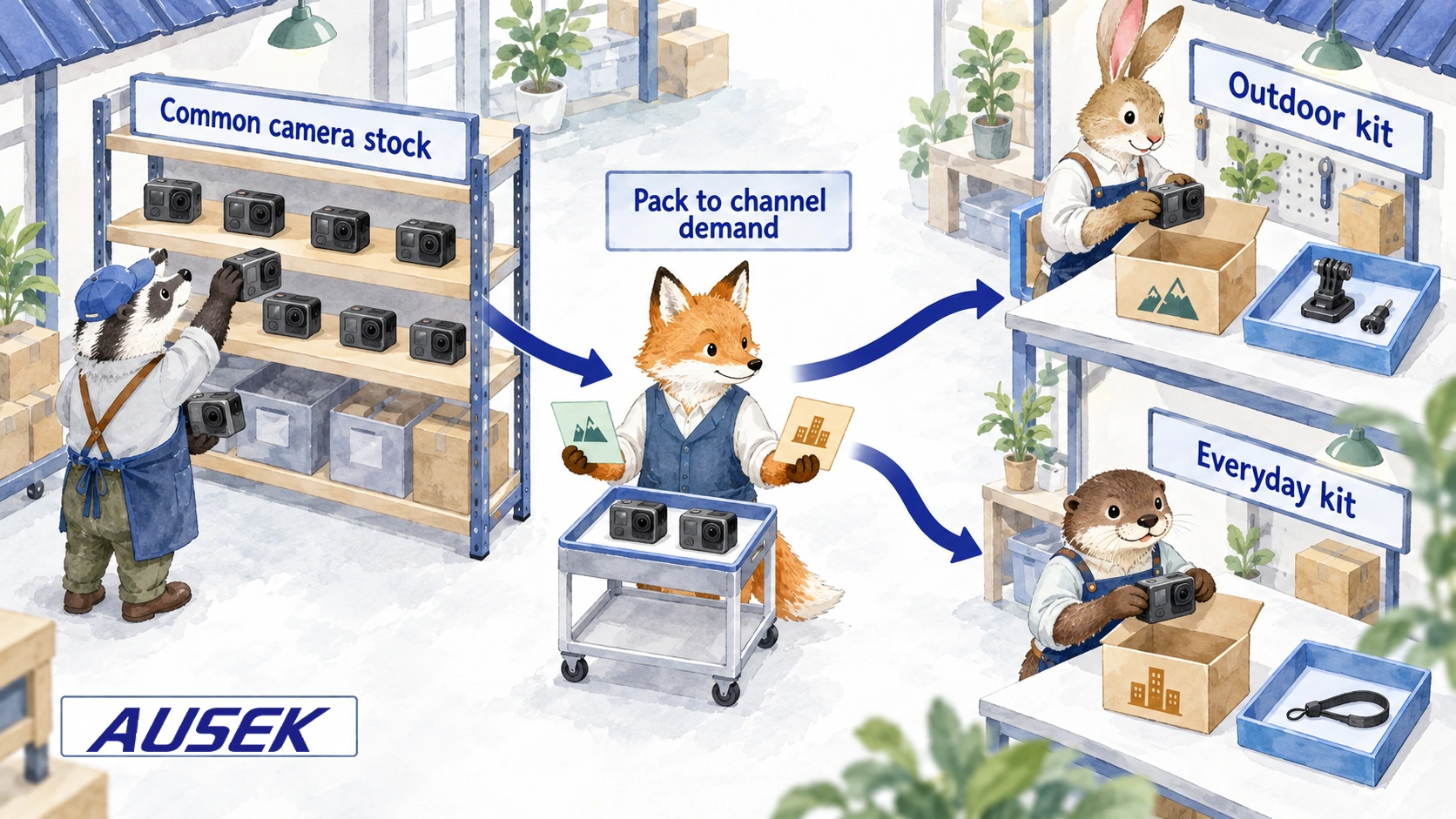
Follow the materials that can stop the next shipment
A common camera is only part of a saleable kit. If the outdoor box or a required mount runs out, cameras alone will not fulfill that channel's order. Manage dedicated materials alongside the shared hardware and give each kit a realistic completion time.
Compare the flexibility with the work it creates. Later packing requires space, instructions and final checks. When demand is predictable, ready-packed goods may be more economical and easier to dispatch. When channel demand changes and a capable finishing operation already exists, retaining a common portion can help direct hardware toward the channel that needs it.
Bring AUSEK both channel briefs and explain how your warehouse handles kits. Begin with one suitable camera and two complete samples, then agree the supply form. The most useful shared-camera plan connects a clear product family with a stock arrangement your business can actually operate.