Choosing an action camera manufacturer is less about finding the lowest quotation and more about reducing sourcing risk before a bulk order. A good supplier should be able to explain how its cameras are produced, how model specifications are confirmed, how customization is handled, how quality is inspected and which documents are available for the target market.
For B2B buyers, the decision usually involves more than product appearance. A sample may look acceptable, but the real test is whether the manufacturer can repeat the same result across a full production batch, with the right packaging, accessories, manuals, labels and inspection standards. This checklist gives buyers a practical way to review suppliers before moving from sample approval to mass production.
Why Action Camera Sourcing Needs a Supplier Checklist
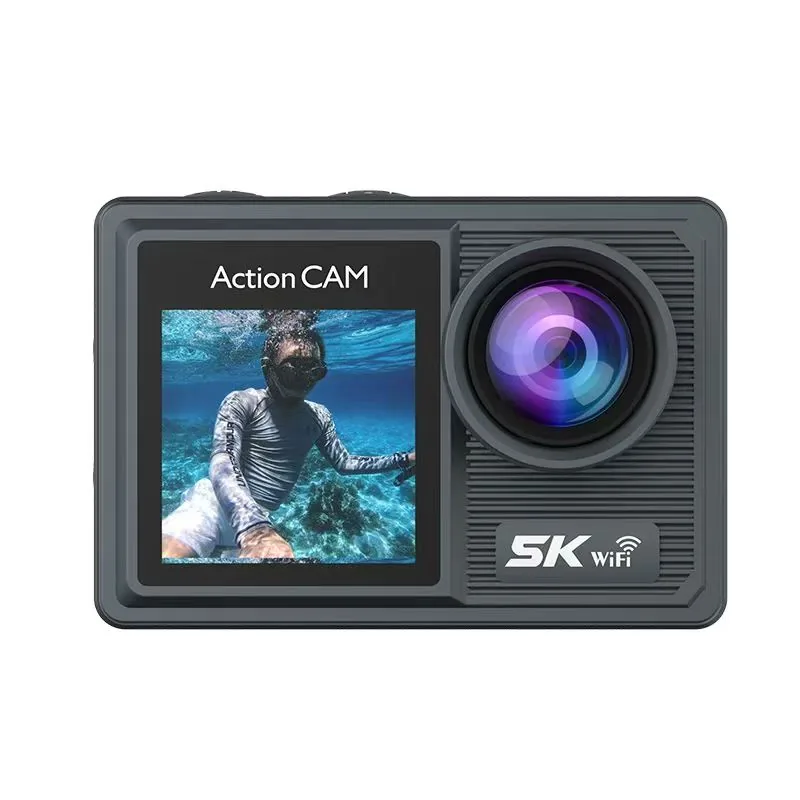
Image 1: Action camera product view for model review
Action cameras are often used in active conditions: cycling, skiing, water sports, hiking, motorcycle recording and travel shooting. That makes the product more complex than a standard electronic accessory. Buyers need to think about video recording, stabilization, waterproof housing or structure, battery performance, heat control, mounting accessories, firmware, packaging and after-sales issues.
A distributor or private-label seller also needs repeatability. The product approved during sampling should match the product shipped in the bulk order. This includes not only the camera body, but also the firmware version, accessory bundle, logo position, user manual, retail box and carton information.
A checklist helps buyers slow down at the right stage. Most sourcing problems do not happen because a buyer asked too many questions. They happen because important questions were left until after production started.
1. Confirm Whether the Supplier Has Real Camera Manufacturing Experience
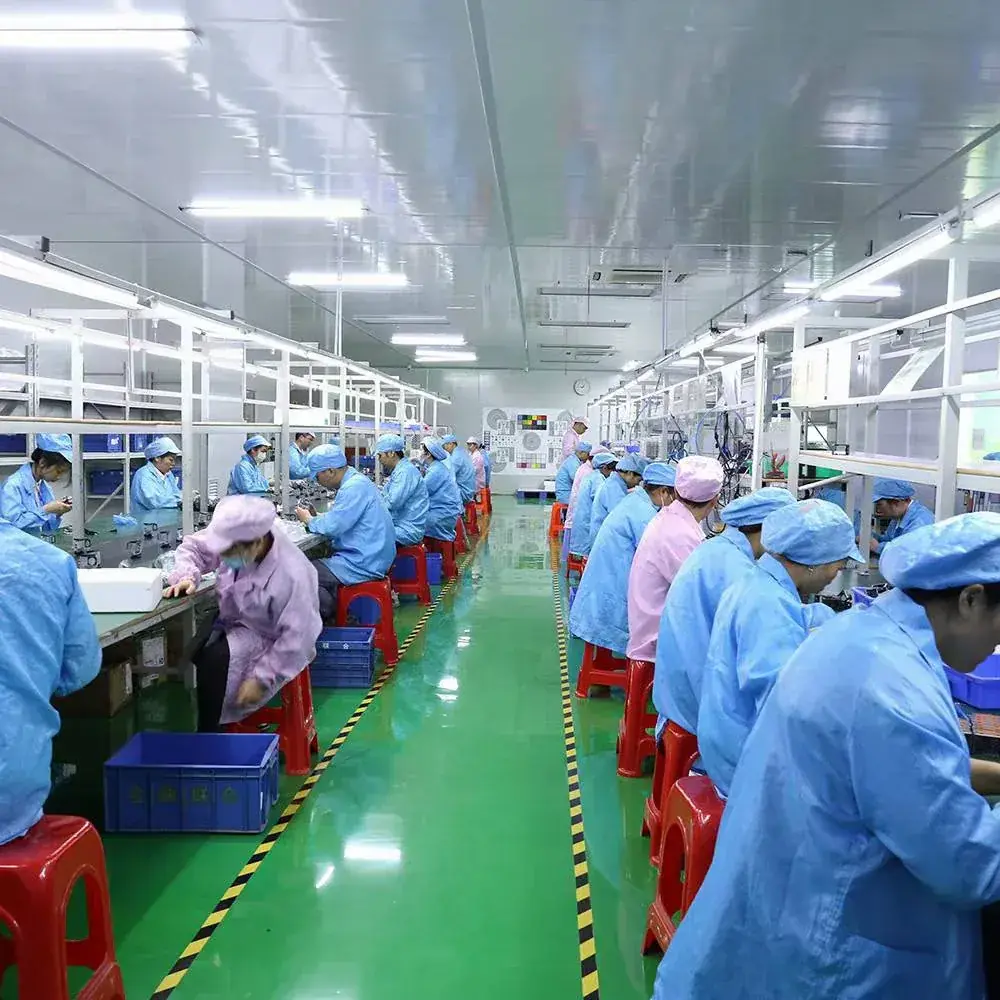
Image 2: Cleanroom production line for manufacturing capability review
The first check is basic but important: does the supplier understand camera manufacturing, or is it only forwarding product photos and quotations?
A supplier with real camera experience should be able to discuss production flow, model differences, testing steps, firmware issues, battery and charging behavior, packaging requirements and customization limits. It should also be able to explain why two action cameras with similar headline specifications may perform differently in actual use.
Useful questions include:
- How long has the supplier worked with camera products?
- Are action cameras a main category or a side category?
- Can the supplier explain model differences clearly?
- Are samples tested before quotation or only shipped from available stock?
- Does the supplier understand firmware, accessories, waterproof housing and packaging requirements?
If the answers stay vague, the buyer may face problems later when production details become more specific.
2. Check Specifications by Model, Not by Category
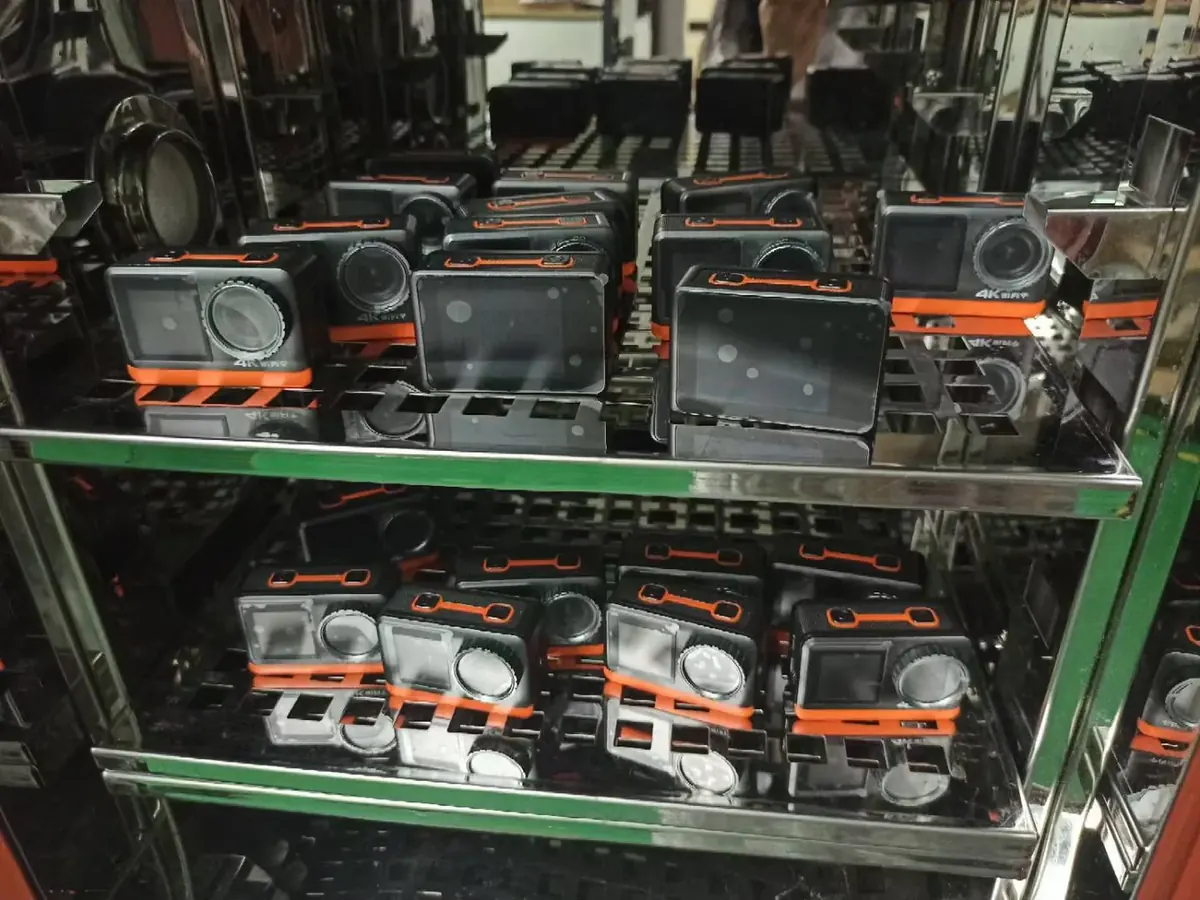
Image 3: Action camera aging test rack for quality-control checks
A common sourcing mistake is treating all “4K action cameras” or “high-resolution action cameras” as comparable. They are not. Different models may use different screens, batteries, lenses, sensors, chipsets, firmware, waterproof solutions and accessory sets.
Before comparing prices, buyers should confirm the exact model number and specification sheet. The quotation should make clear what is included: video resolution, frame rate, stabilization, waterproof method, battery capacity, screen configuration, Wi-Fi or app function, included accessories, packaging type and available documents.
This matters for both quality and compliance. A document for one model may not apply to a different model. A packaging claim may not be accurate if the waterproof function depends on a separate housing. A price comparison is only useful when the models and included items are truly comparable.
3. Review Capacity for Bulk and Repeat Orders
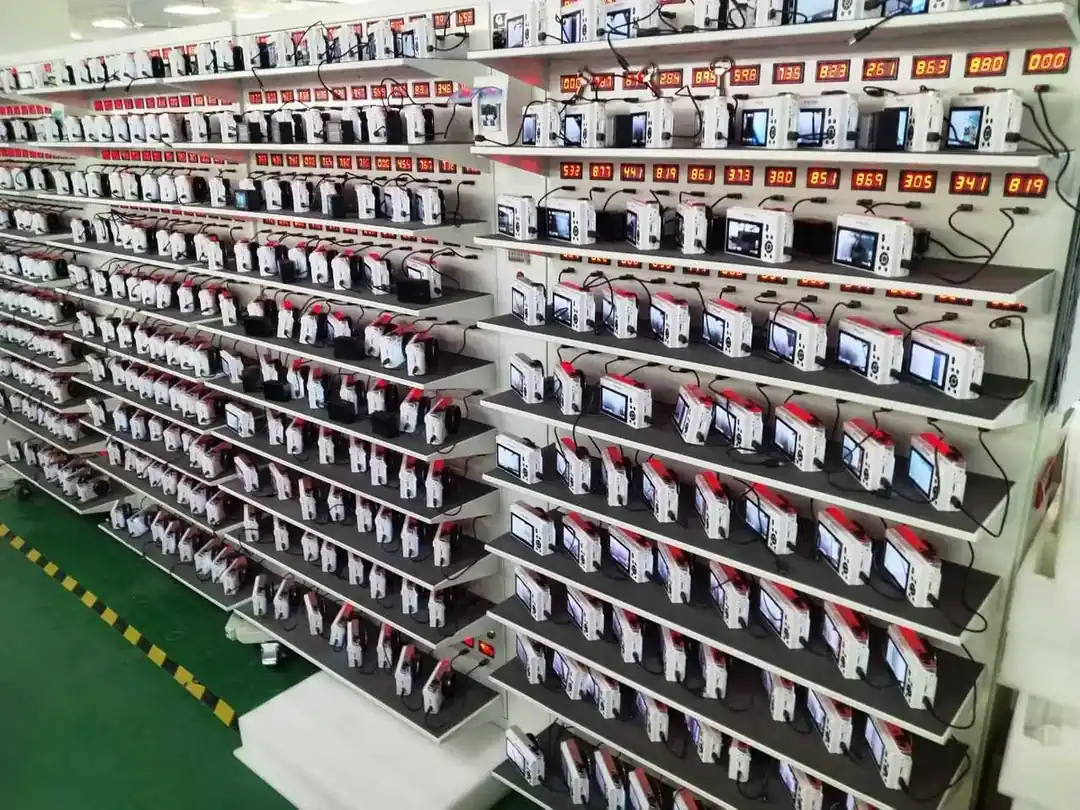
Image 4: Finished goods shelf display for bulk-order readiness
A sample order proves that a supplier can provide a few units. It does not prove that it can manage a larger production run.
For bulk purchasing, buyers should ask about monthly capacity, number of production lines, material planning, production scheduling, repeat-order capability and shipment preparation. Capacity should not be judged only by a large number. The more important question is whether the supplier can keep batch consistency after sample approval.
AUSEK works as a factory-direct portable imaging supplier across action, pocket, mini and digital cameras. For a buyer’s shortlist, useful evidence includes a named model, a tested sample, a written order configuration, approved packaging files and a defined batch-inspection plan. Capacity and service scope still need confirmation for the selected model, quantity and schedule.
4. Separate OEM Customization from ODM Development
OEM and ODM are often used together, but they do not mean the same thing.
OEM usually starts from an existing model. The buyer customizes brand-related elements such as logo, packaging, user manual, labels, multilingual materials or accessory bundles. This is common for private-label projects and usually has a clearer timeline.
ODM goes deeper. It may involve software changes, hardware changes, product structure, function adjustment or custom tooling, including mold development. These requests can affect cost, lead time, testing and certification review.
Buyers should define which type of work they need before sampling. Changing a logo is not the same as changing firmware. Replacing a color box is not the same as changing the camera housing. A reliable supplier should explain what belongs to standard customization and what requires engineering review.
5. Review the Quality-Control Process Before Shipment
For action cameras, quality control should cover more than appearance. Inspection may need to include recording, screen display, charging, battery behavior, button response, firmware version, accessory fit, waterproof housing fit, labels, manuals and packaging.
A structured process usually includes checks at more than one stage:
- incoming material inspection;
- inspection during production;
- final product inspection;
- outgoing inspection before shipment.
Buyers should also ask whether the approved sample is used as the reference for mass production. That reference should include product function, appearance, logo placement, packaging, accessories and manual content. If a change happens after sample approval, it should be documented.
6. Confirm Certification Documents by Model and Market
Certification documents should be reviewed before production. Requirements depend on product model, target market and order plan. A general certificate list does not automatically mean every model is ready for every country.
Buyers should confirm the selected model, target sales region, wireless function, battery and charger details, packaging labels and whether the product is positioned for children. Common document categories may include CE, FCC, RoHS, UKCA, KC, Telec, CPC, EN71 or other market-specific documents.
The safest approach is to check documents before packaging is finalized. If the product label, charger, wireless module or age positioning changes, compliance documents may need another review.
7. Clarify MOQ, Lead Time and Sample Approval
MOQ and lead time are not just commercial terms. They reveal how the supplier organizes production.
Buyers should ask whether the MOQ applies by model, color, packaging version or customization type. The applicable quantity should be confirmed against the selected model, branding scope, packaging materials and order plan rather than assumed from one standard figure.
Lead time should also be tied to clear conditions. Customized orders are usually scheduled after key details are confirmed, including model number, order quantity, logo file, packaging artwork, manual content, accessory list and commercial terms. If files are delayed, production timing may also move.
8. Prepare the Right Information Before Requesting Samples
A supplier can give better advice when the buyer provides a clear project brief. Useful information includes target market, sales channel, expected order quantity, desired feature level, retail price range, logo requirements, packaging direction, manual language, accessory bundle and certification needs.
Without this information, the supplier can only recommend a general model. With it, the supplier can narrow the options, identify whether OEM or ODM is needed and estimate the real preparation work before bulk order.
Different channels also change the priorities. A retail buyer may care about shelf packaging and barcode labels. An e-commerce seller may care about review stability, image assets and accessory completeness. A gift-channel buyer may focus on packaging appearance, price and delivery timing.
Final Checklist
Before choosing an action camera manufacturer, confirm these points:
- the supplier has camera manufacturing experience;
- the selected model and specifications are clear;
- production capacity and repeat-order support are explained;
- OEM and ODM boundaries are separated;
- quality-control stages are documented;
- certification documents are checked by model and market;
- MOQ and lead time conditions are clear;
- the sample approval process includes product, packaging, manuals and accessories.
Conclusion
A reliable action camera manufacturer is not simply the supplier with the most attractive price. For B2B buyers, the more practical choice is the supplier that can provide clear model information, realistic production planning, defined customization scope, structured inspection and suitable documents before mass production starts.
This review takes more time before ordering, but it reduces problems that are harder to fix after production begins. Buyers can send AUSEK the target model or feature level, market, quantity, branding, packaging and sample requirements for a project-specific discussion.
FAQ
What should buyers check before choosing an action camera manufacturer?
Buyers should check manufacturing experience, model-specific specifications, production capacity, OEM support, quality-control process, certification documents, MOQ, lead time and sample approval.
Why should specifications be confirmed by model?
Different models may have different resolution, frame rate, stabilization, battery, screen, waterproof solution, accessories and documents. A category name alone is not enough for bulk purchasing.
Is OEM enough for a private-label action camera project?
OEM is usually enough when the buyer only needs logo, packaging, manuals, labels or accessory-bundle customization. Software, hardware or structural changes usually move the project closer to ODM.
When should certification documents be checked?
They should be checked before bulk production and before packaging is finalized. Requirements depend on product model, target market and order plan.
Why is sample approval important?
The approved sample becomes the reference for mass production. It should cover product function, appearance, packaging, accessories, manuals and labels.