OEM and ODM are not interchangeable terms. In camera manufacturing, OEM usually means taking an existing model and customizing brand-related elements such as logo, packaging, labels, manuals or accessory bundles. ODM usually means deeper product work, such as software, hardware, structure, function changes or custom tooling, including mold development.
For B2B buyers, this difference affects cost, timeline, sampling, testing, MOQ and certification review. A project can become difficult when a buyer expects ODM-level changes under an OEM timeline. The first step is to decide whether the project needs brand customization or product development.
Why the Difference Matters
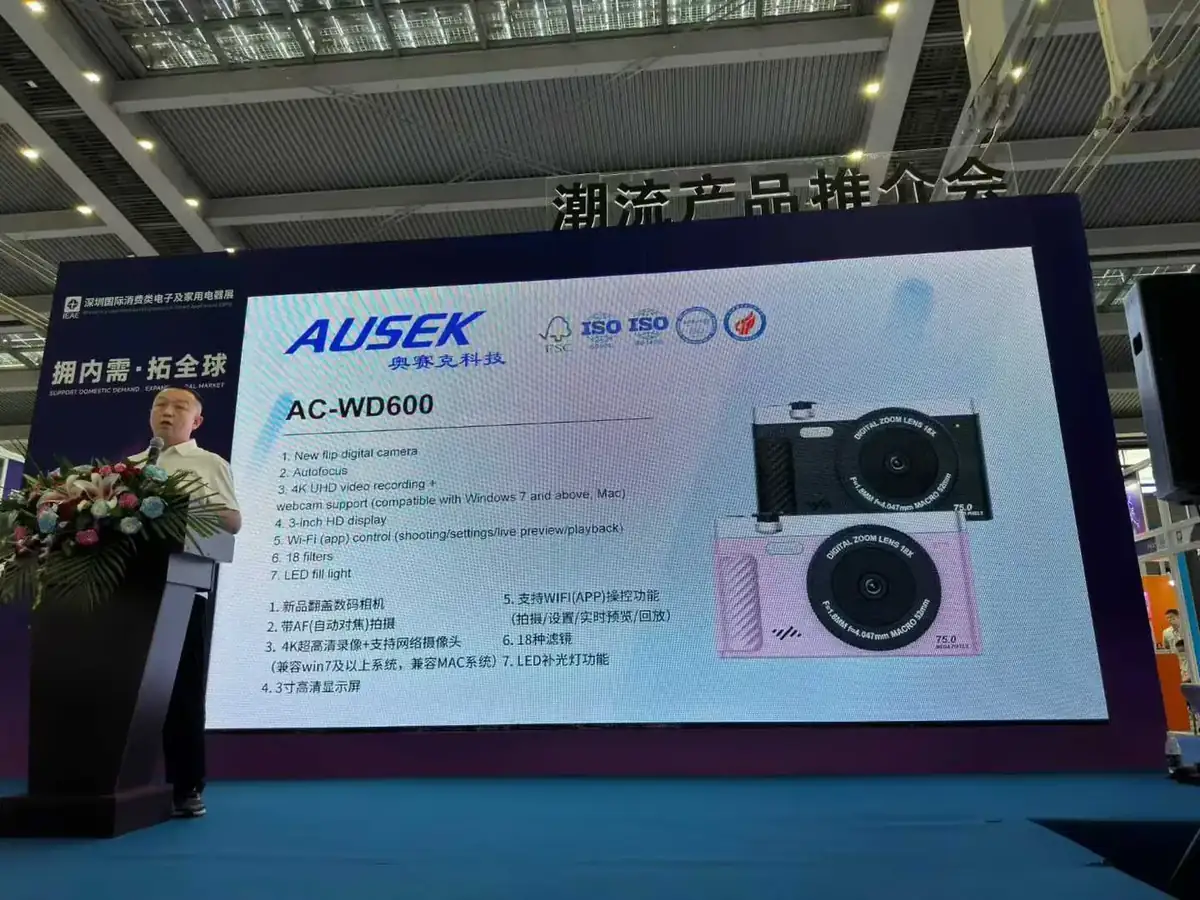
Image 1: Product presentation screen for OEM and ODM project discussion
Camera products combine electronics, firmware, optics, battery, housing, screen, accessories and packaging. A small change can affect more than one part of the product. Changing a box design is straightforward compared with changing firmware behavior. Adding a logo is different from changing the battery structure. Requesting custom tooling is a different project from adjusting a user manual.
When the project type is clear, the manufacturer can give more accurate feedback on feasibility, cost, sample timing and production risk.
What OEM Usually Covers

Image 2: Engineering room for product development and technical review
OEM camera manufacturing normally starts with an existing model. The buyer selects the product, tests the sample and then customizes brand-facing items.
Common OEM items include:
- logo on the camera or packaging;
- color box design;
- user manual customization;
- multilingual materials;
- product labels;
- barcode or SKU labels;
- accessory bundle selection;
- carton marks.
OEM is often suitable for distributors, e-commerce sellers and private-label brands that need a faster route to market. The core product remains the same, while the presentation is adapted for the buyer’s brand and sales channel.
What Buyers Should Prepare for OEM
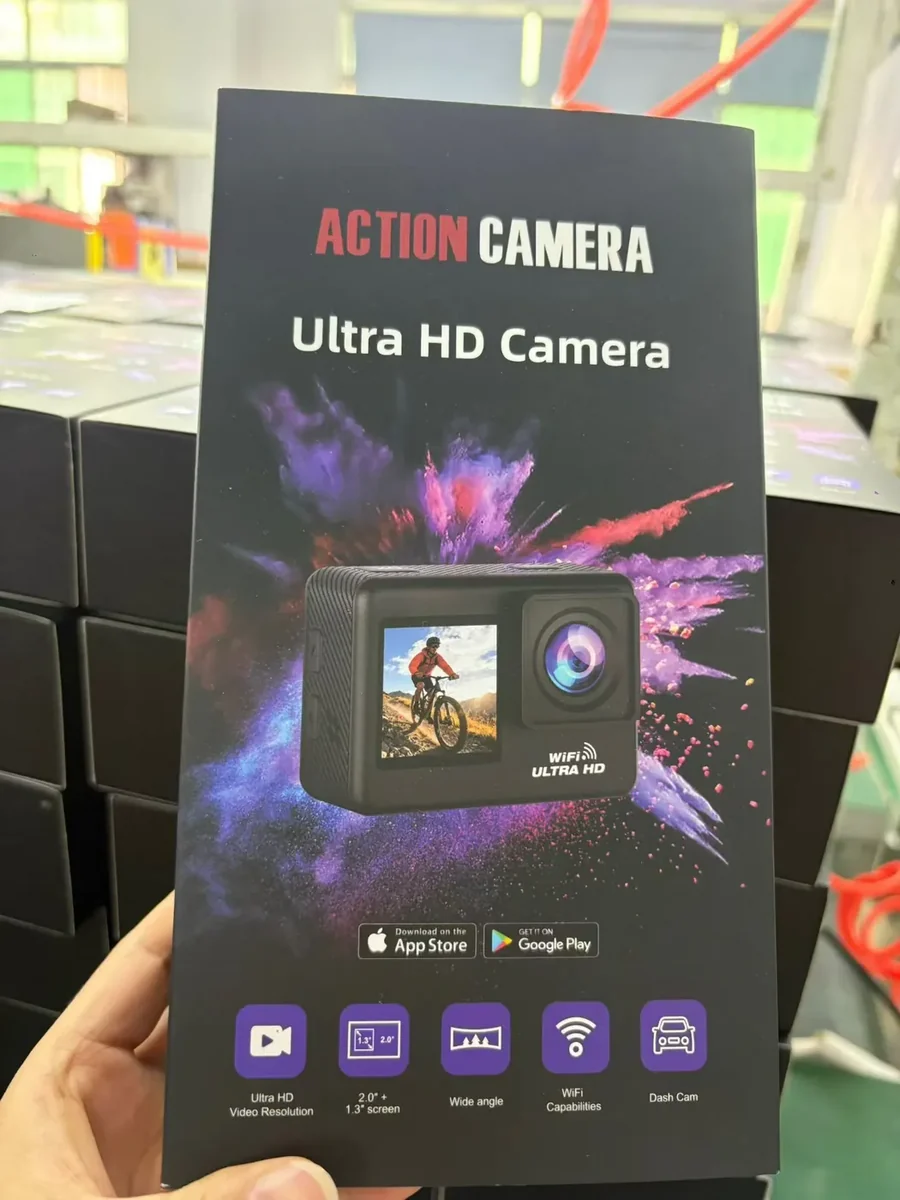
Image 3: Retail box display for OEM packaging customization
An OEM project moves faster when the buyer prepares complete files at the start. Useful materials include a vector logo, packaging direction, barcode information, manual language, target market, expected quantity, accessory requirements and any channel-specific labeling rules.
The product model should be confirmed before packaging is designed. If the buyer changes the model later, box size, feature text, accessory list and manual content may need revision. This is a common source of delay.
OEM is not only about putting a logo on a product. For retail and platform sales, packaging accuracy and manual consistency can be just as important as the logo itself.
What ODM Usually Covers
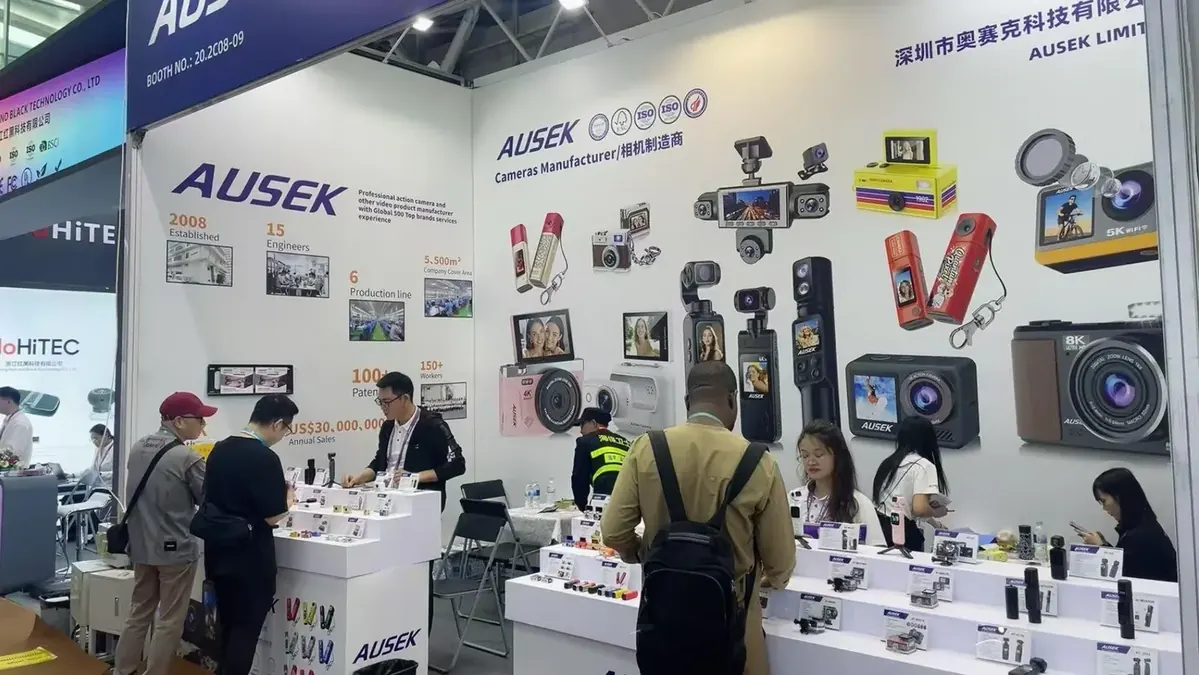
Image 4: AUSEK exhibition booth showing product-line capability
ODM camera manufacturing goes beyond brand presentation. It involves product-level changes, which may require engineering work.
ODM may include:
- software or firmware customization;
- hardware configuration changes;
- product structure changes;
- housing or appearance development;
- button layout changes;
- battery solution changes;
- function adjustment;
- custom tooling, including mold development.
ODM can create stronger product differentiation, but it also brings more responsibility. The buyer and manufacturer need to discuss technical feasibility, testing, development timing and cost before sampling.
What Buyers Should Prepare for ODM
ODM requires a clearer brief than OEM. A useful brief should describe the target user, desired functions, must-have requirements, flexible requirements, reference products, target cost range, sales market and expected order quantity.
The buyer should separate “must have” from “nice to have.” This helps the engineering team evaluate trade-offs. For example, a larger battery may require a larger housing. A different screen may affect firmware. A new mold may change the entire development schedule.
Vague requests such as “make it better” or “make a unique version” are not enough. ODM needs specific targets.
OEM vs ODM: Practical Comparison
| Item | OEM | ODM |
|---|---|---|
| Starting point | Existing model | Modified model or new concept |
| Main goal | Brand customization | Product differentiation |
| Typical changes | Logo, packaging, manuals, labels, accessories | Software, hardware, structure, custom tooling |
| Development workload | Lower | Higher |
| Sampling complexity | Lower | Higher |
| Lead time | Usually shorter | Usually longer |
| Risk level | More predictable | Needs more testing and review |
Neither option is automatically better. OEM is usually practical when speed and lower development risk matter. ODM is more useful when the buyer needs a product that is not available as a standard model.
MOQ and Lead Time Considerations
MOQ should be discussed early. For customized camera projects, a standard MOQ may start from 1,000 units per model, but the actual requirement depends on model, customization scope and order plan.
Lead time also depends on the project type. OEM projects may move faster because the product already exists, but artwork, packaging, manual content and accessory confirmation still take time. ODM projects usually require more engineering review and testing.
A good practice is to ask when the production timeline officially begins. For customized projects, it often starts after key details are confirmed, not when the first inquiry is sent.
Certification Review
Certification documents should be reviewed by product model, target market and order plan. For OEM projects, packaging and labeling may need to match available documents. For ODM projects, product changes may affect existing documentation.
Buyers should confirm whether wireless functions, battery, charger, children’s product positioning or market labeling requirements affect the selected model. This review should happen before bulk production.
A Practical Supplier-Data Example
AUSEK’s OEM support covers logo placement, packaging, user manuals, multilingual materials and accessory bundles. Projects that require software, hardware, structural or custom tooling changes are evaluated separately for feasibility, timing and cost.
Common Mistakes
The most frequent mistake is requesting a final quotation before the model and customization scope are clear. Another is treating packaging as a minor detail. Retail packaging may include product photos, warnings, feature claims, barcode areas, importer details and market-specific labels.
A third mistake is checking compliance documents too late. If certification review happens after production, a small mismatch can create shipment or listing problems.
Conclusion
OEM and ODM serve different sourcing needs. OEM is suitable when the buyer wants to customize an existing camera model for private-label sales. ODM is suitable when product-level differentiation is required.
The practical step is to define the project before asking for samples. Once the scope is clear, buyers can discuss MOQ, timeline, testing and documentation with fewer misunderstandings.
FAQ
What is OEM camera manufacturing?
OEM usually means customizing an existing camera model with logo, packaging, manuals, labels or accessory bundles.
What is ODM camera manufacturing?
ODM usually involves deeper product changes, such as software, hardware, structure, function adjustment or custom tooling, including mold development.
Is OEM faster than ODM?
Usually yes. OEM starts from an existing model, while ODM may require engineering review, development and extra testing.
Can packaging customization affect lead time?
Yes. Packaging needs artwork, content review, printing preparation and sometimes packaging samples before production.
Should certification be checked for both OEM and ODM?
Yes. Certification requirements depend on product model, target market and order plan.