Action cameras and pocket cameras both belong to portable imaging, but they solve different buyer problems. For B2B product-line planning, the question is not which category is better in general. The useful question is which category fits the buyer's target users, channel, packaging plan, accessory strategy and sample approval process.
AUSEK LIMITED works across multiple portable camera categories, including action cameras and pocket cameras. That makes the comparison useful for distributors, private-label buyers and sourcing teams that need to decide whether to carry one category, both categories or a staged product line.
Start With the Buyer Use Case
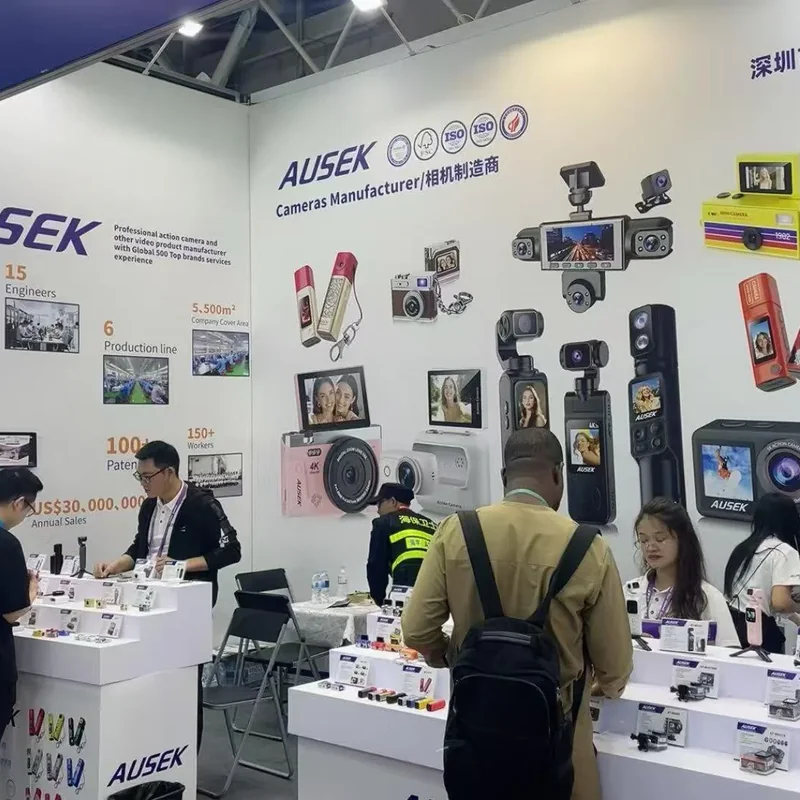
Image 1: AUSEK exhibition booth for comparing action camera and pocket camera categories
Use case should come before specification comparison. Action cameras usually fit movement, mounting and outdoor recording. Pocket cameras usually fit compact handheld shooting, travel recording, creator content and daily portable capture. A buyer serving outdoor sports users will review different priorities from a buyer serving lifestyle, travel or creator channels.
Pocket cameras should not be limited to only one use case. AUSEK's pocket camera range includes examples such as AT-M101, AT-M105, AT-M103TR, AT-M103DR, AT-Q3, AT-Q104, AT-J104 and H88 pro. Buyers can compare the selected model by screen experience, handling, charging method, package plan and target retail channel.
Action Camera Positioning: Movement, Mounting and Outdoor Use
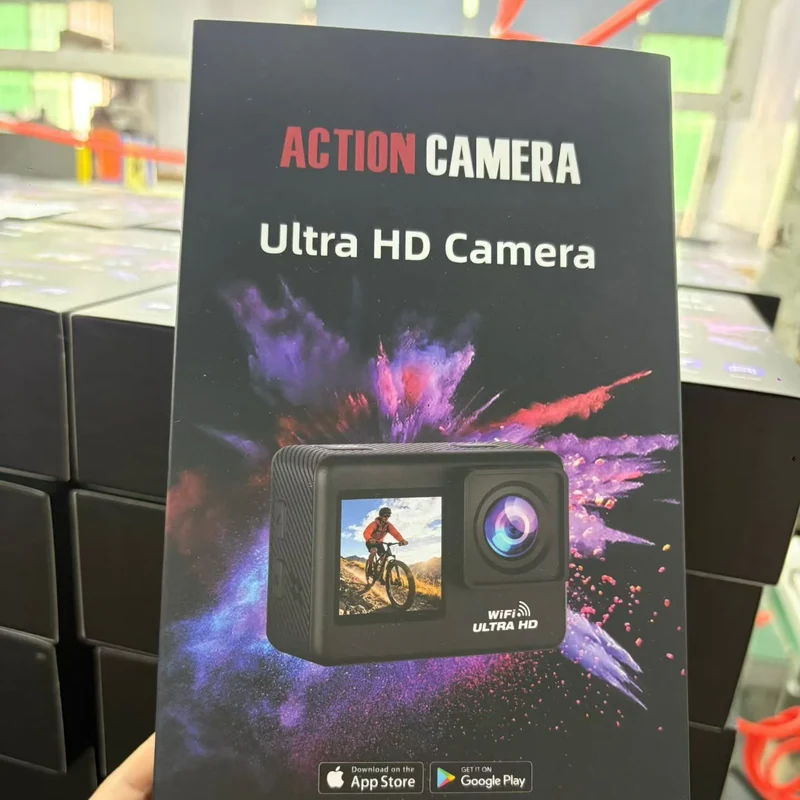
Image 2: Action camera retail box display for product-line positioning review
Action cameras are commonly positioned for outdoor sports, cycling, skiing, water activities, motorcycle recording and travel shooting. Buyers usually pay attention to mounting options, waterproof method, stabilization, battery behavior, accessory bundle, packaging claims and inspection steps.
AUSEK's action camera range includes examples such as AT-M90TR, AT-M86, AT-M84TR, AT-M82TR, AT-M81TR, AT-M42TR, AT-M40TRW, AT-M60TR, AT-M44R, AT-M80TR, AT-Q60AR, AT-Q83, AT-G40, AT-G18 and Y360. When buyers request a quotation, the selected model and configuration should be clear so resolution, waterproof method, battery, stabilization, accessory bundle and packaging text can be confirmed accurately.
Pocket Camera Positioning: Compact Capture and Flexible Channel Fit
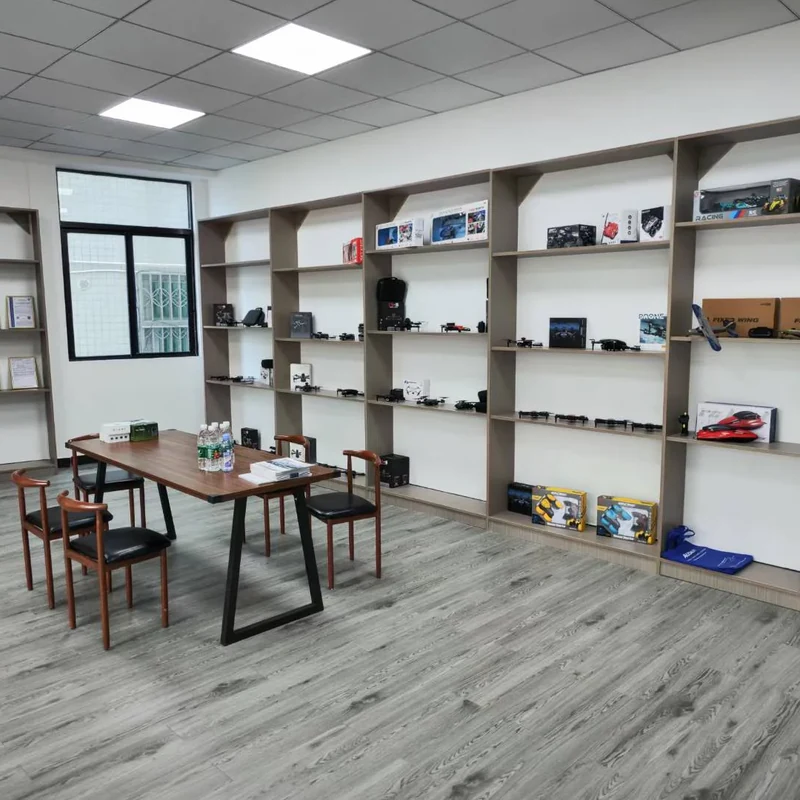
Image 3: Product showroom sample room for comparing portable camera options
Pocket cameras are usually reviewed for portability, handheld comfort, screen experience, menu simplicity, charging method, appearance, audio needs and daily content capture. They can support creator, travel, lifestyle, consumer electronics and gift-oriented channels, depending on the selected model and bundle.
The important sourcing point is category fit. Buyers can position a pocket camera for compact handheld capture, travel content, creator use, gift channels or broader consumer electronics sales, depending on the selected model, accessory plan and target market.
Compare Accessories and Packaging Before Price
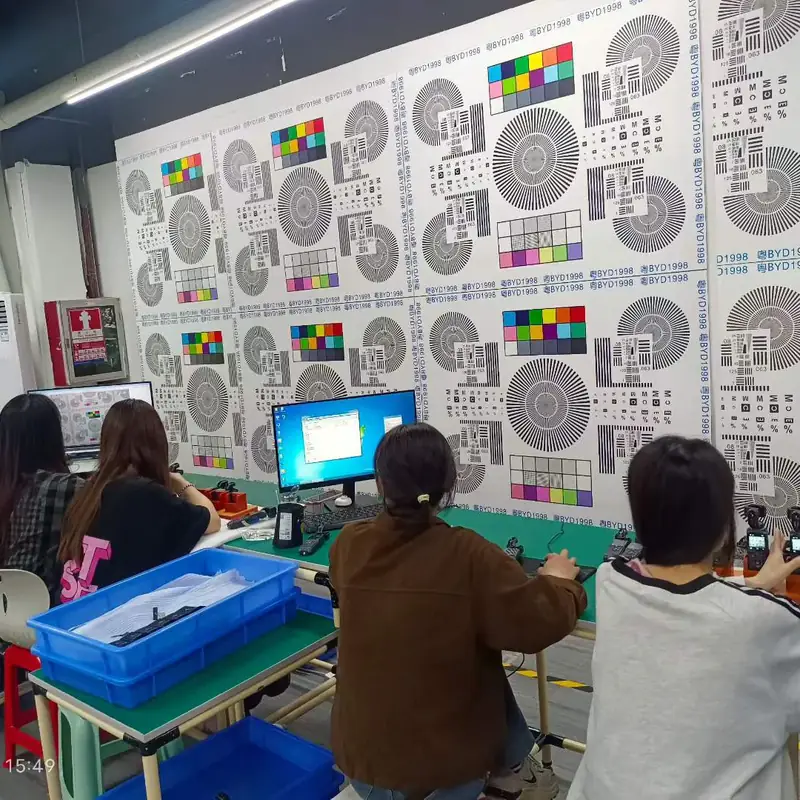
Image 4: Exhibition demo table for B2B camera buyer discussion
Action camera orders often depend heavily on accessories such as mounts, waterproof housing, brackets, adhesive pads, batteries, cables and carrying items. The accessory bundle affects cost, packing size, inspection time and perceived value.
Pocket camera orders may need fewer sports accessories, but packaging, strap, cable, battery, protective case, manual language and retail presentation still matter. A compact product can become more expensive or harder to inspect if the bundle is not defined before sampling.
Inspection Priorities Are Not the Same
A general camera inspection is not enough for product-line planning. Action cameras may require checks for recording, button response, stabilization behavior, waterproof housing fit, mount compatibility, accessory count, charging, screen display and packaging accuracy.
Pocket cameras may require more attention to screen usability, handheld operation, menu language, appearance, charging behavior, photo and video modes, audio or microphone needs, packaging and user instructions. Buyers should ask the supplier to align the inspection checklist with the selected category and model.
Confirm Supplier Capability and Model Details
For supplier evaluation, buyers can look at company experience, production capacity and quality-control coverage. AUSEK has 18 years of portable imaging experience, multiple core camera categories, 6 production lines, 150+ Shenzhen production workers, 200,000+ monthly capacity and IQC/IPQC/FQC/OQC quality-control steps.
For a real order, the selected model and configuration still matter. Features such as 4K-8K product coverage, six-axis stabilization or 30-meter waterproof use depend on the model, accessory set and order requirements. Buyers should confirm these details during quotation, sample approval and packaging artwork review.
How Buyers Should Decide
Choose action cameras when the channel needs movement recording, outdoor use, mounting accessories or sports positioning. Choose pocket cameras when the channel needs compact handheld capture, travel use, creator content, daily recording or a lighter retail offer.
Carry both categories only when each has a separate role. For example, an outdoor-sports channel may lead with action cameras and add pocket cameras for casual portable capture. A creator-focused channel may lead with pocket cameras and add action cameras for outdoor or mounted recording. The category plan should be clear before sampling starts.
RFQ Preparation Checklist
- Confirm the target sales channel and user scenario.
- Select candidate models from the action camera or pocket camera range.
- Request exact specifications for each selected model.
- Define accessory bundle, packaging, manual language and label needs.
- Confirm target market, certification review needs and compliance documents by model.
- Agree on sample approval criteria before bulk production.
- Ask how inspection will differ between action camera and pocket camera orders.
Conclusion
Action cameras and pocket cameras should be compared by channel fit, user scenario, selected model, accessory planning, packaging accuracy and inspection requirements, not only by headline specifications.
Before requesting samples, buyers should share the target market, expected quantity, sales channel, category role, packaging direction and certification needs. This gives the supplier a clearer basis for recommending action camera models, pocket camera models or a combined product-line plan.