Camera quality control before shipment should cover the product, accessories, packaging and shipment details. For B2B buyers, the goal is not only to catch defective units. It is also to confirm that the bulk order matches the approved sample and the confirmed order requirements.
A camera may pass a simple power-on test but still create problems if the accessory set is wrong, the manual does not match the model, the packaging label is incorrect or the firmware version differs from the approved sample. A structured inspection process reduces these risks before goods leave the factory.
Why Camera Inspection Needs More Than a Final Look
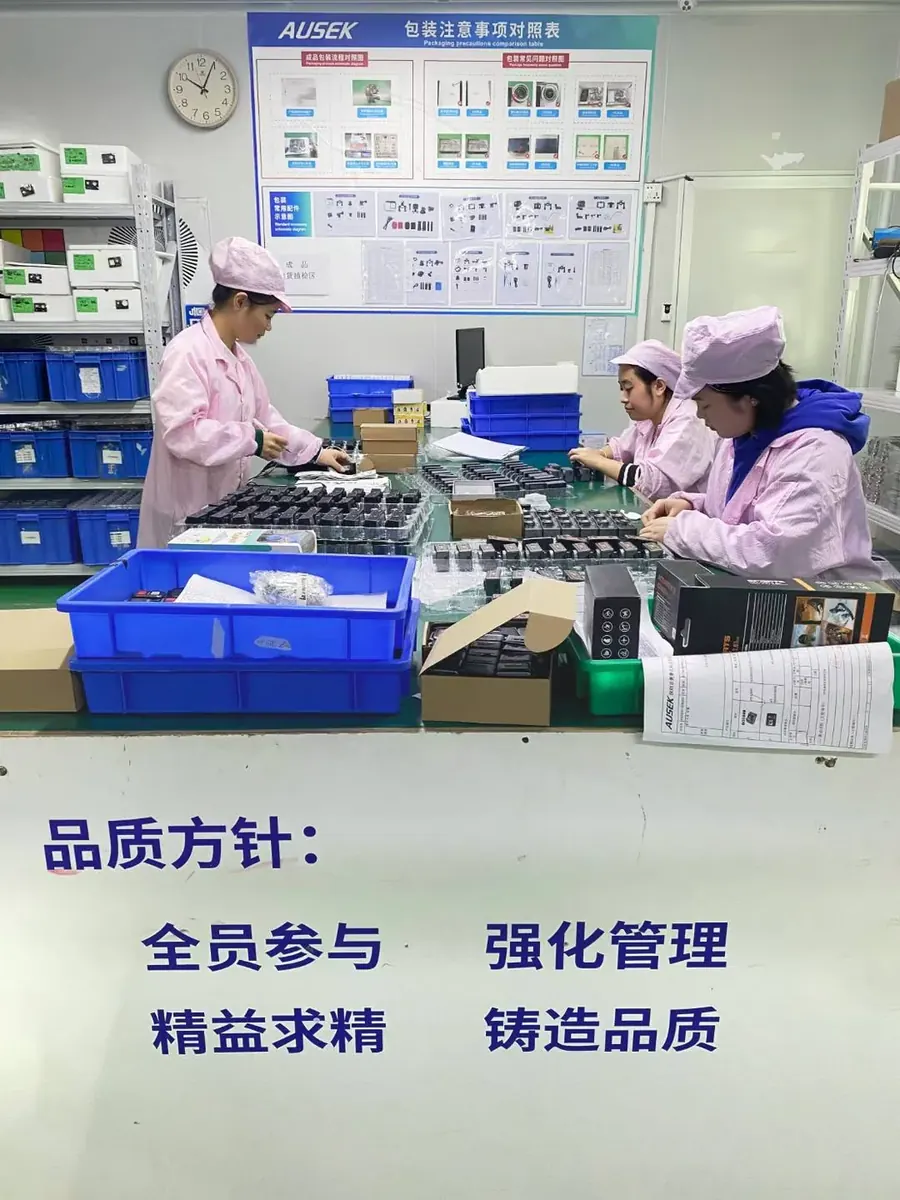
Image 1: Quality-control method poster for inspection workflow
Camera products include multiple parts: lens, screen, battery, ports, buttons, firmware, housing, accessories and packaging. A small issue in any of these areas can affect user experience.
For bulk orders, quality problems can lead to returns, customer complaints, platform review issues, retail delays and extra rework cost. This is why buyers should ask how inspection is handled before production begins, not only before shipment.
Incoming Quality Control
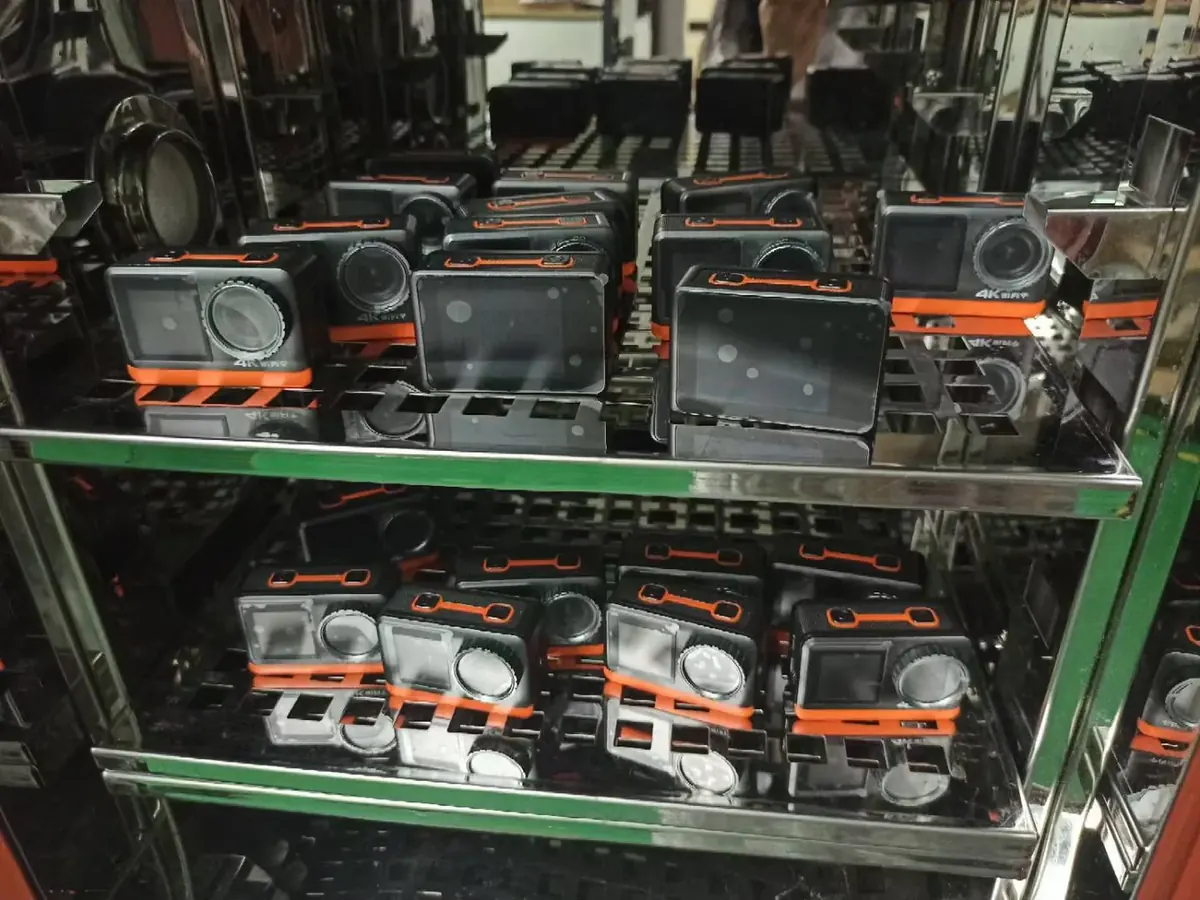
Image 2: Aging test rack for camera reliability checks
Incoming quality control checks materials and components before production. For camera products, this may include screens, batteries, housings, cables, lenses, packaging materials, electronic components and accessories.
This step helps prevent poor materials from entering the assembly process. If a batch of cables, batteries or packaging materials has problems, it is better to catch them before assembly rather than after the goods are finished.
Buyers may not need to review every incoming report, but they should confirm that incoming inspection exists.
In-Process Quality Control
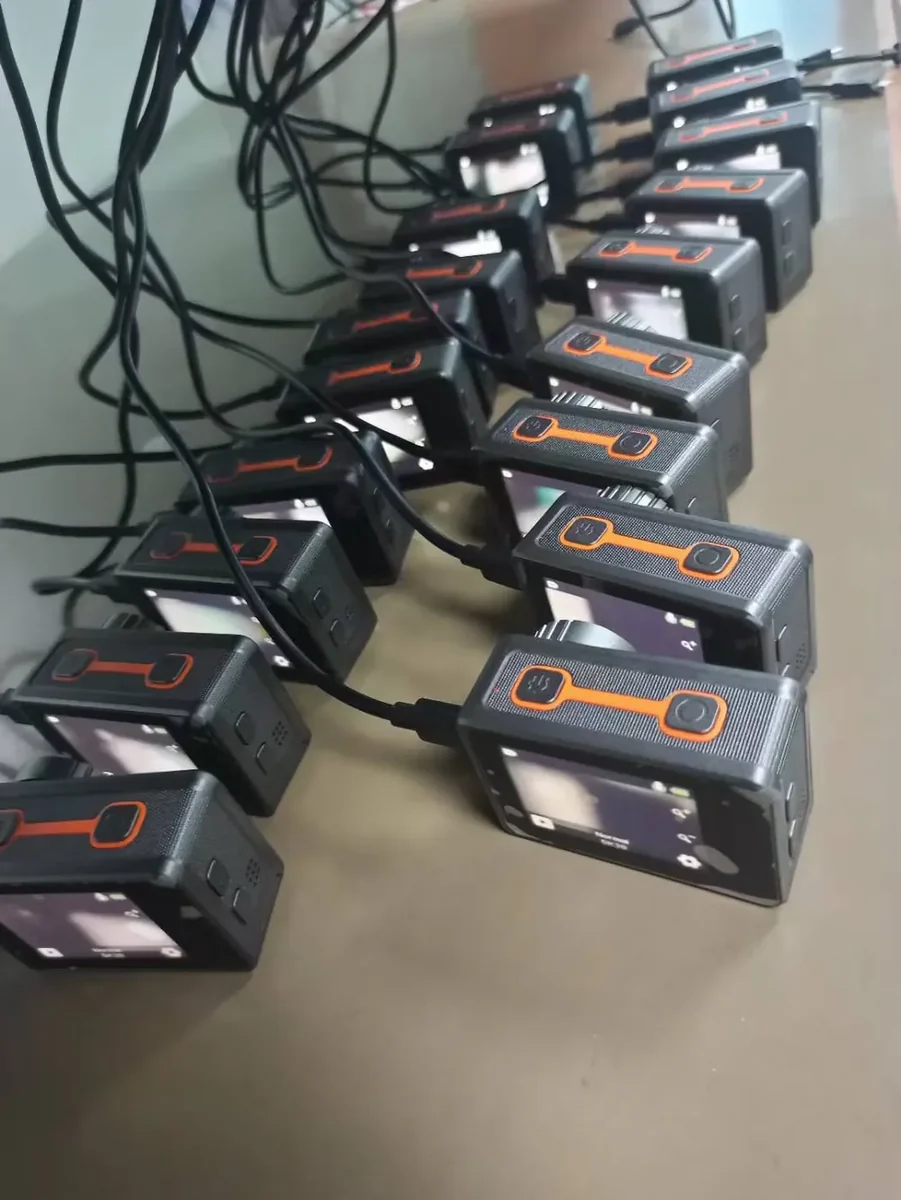
Image 3: Camera charging test row for function inspection
In-process inspection happens during production. It checks whether assembly steps are being followed and whether problems are appearing on the production line.
For cameras, this can include housing fit, button installation, screen connection, battery connection, charging port fit, firmware loading and basic function checks.
This stage matters because some problems are easier to correct during production than after all units are packed. It also helps reduce the chance of the same defect repeating across a full batch.
Final Quality Control
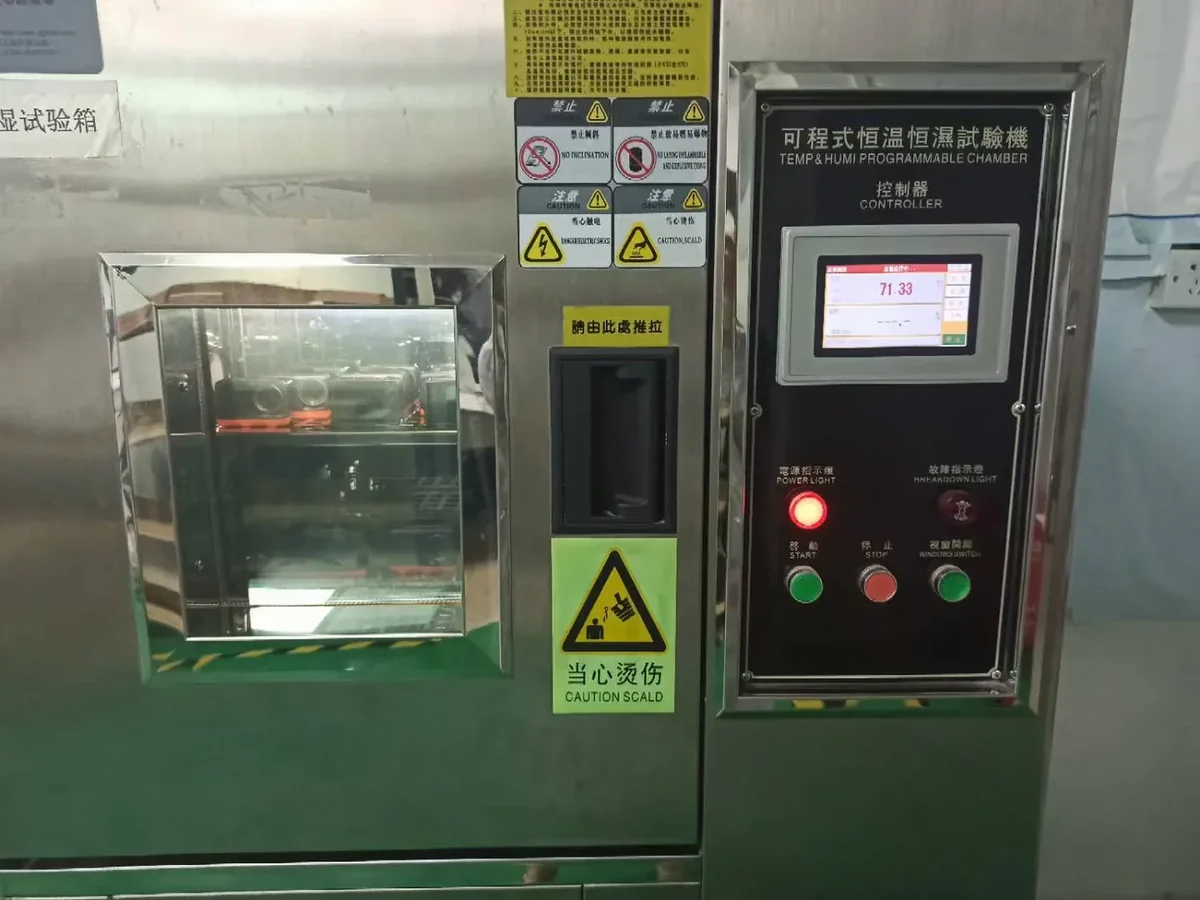
Image 4: Temperature test chamber for reliability review
Final quality control reviews finished products before packing or shipment preparation. For cameras, this usually needs more than an appearance check.
Useful test points include:
- power on and power off;
- video recording;
- photo function;
- screen display;
- button response;
- charging;
- battery check;
- memory-card recognition;
- Wi-Fi or app connection if applicable;
- menu language;
- sound recording;
- appearance;
- product labels.
A product can look fine but fail during recording or charging. Function tests are necessary.
Outgoing Quality Control
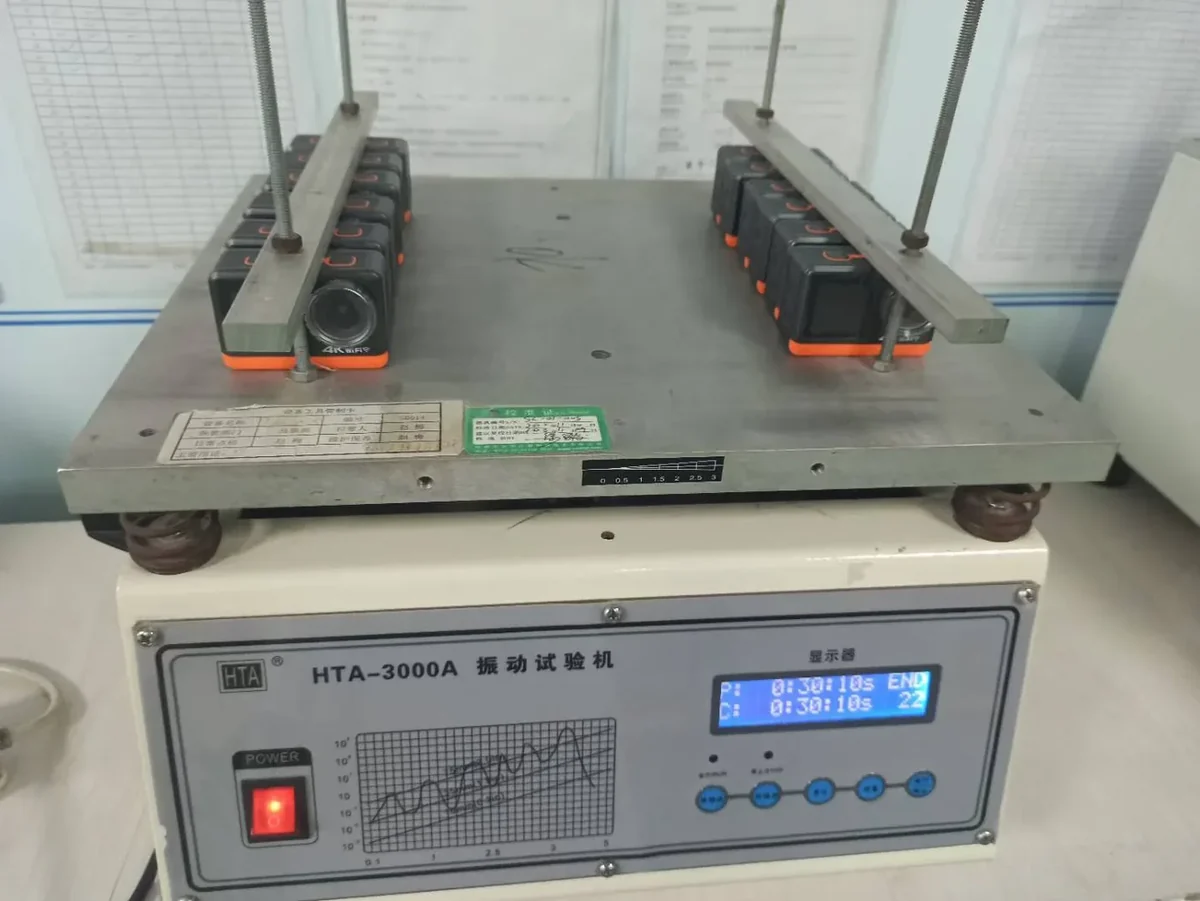
Image 5: Vibration test equipment for durability checks
Outgoing quality control focuses on shipment readiness. It checks whether the packed goods match the order before they leave the factory.
This stage may include carton quantity, product quantity, accessory count, packaging accuracy, barcode labels, carton marks, manuals, color box condition and random function checks.
For private-label orders, outgoing inspection is especially important because packaging, logo, labels and manuals must match the approved files.
Approved-Sample Consistency
The approved sample should be the reference for mass production. Buyers should confirm that the factory uses the approved sample or final specification as the production standard.
This reference should include product appearance, logo placement, color, firmware, packaging, manual, accessory bundle and labels. If any change happens after sample approval, it should be confirmed in writing.
Many sourcing disputes happen because the buyer and supplier remember the approved details differently. Written sample approval reduces that risk.
AQL and Defect Classification
AQL, or Acceptable Quality Limit, is commonly used for sampling inspection. Instead of checking every unit, inspectors review a sample size based on order quantity and inspection level.
Defects are often classified as critical, major or minor. For cameras, serious function failure, safety issues or charging problems may be considered more severe than small cosmetic marks.
Buyers should agree on the inspection standard before shipment. They should also confirm what happens if the inspection result exceeds the agreed limit.
Packaging and Accessory Checks
Packaging and accessories should be treated as part of the product. Missing or incorrect accessories can create immediate customer complaints.
Packaging checks may include product name, logo, feature text, barcode, warning label, language version, accessory list and carton marks. Accessory checks may include cable, battery, mount, waterproof housing, bracket, remote control or manual, depending on the product.
A camera order is not complete if the camera works but the package is wrong.
Testing Equipment and Process Disclosure
A supplier does not need to publish every internal test, but buyers can ask what testing equipment and inspection steps are used. AUSEK’s company information lists IQC, IPQC, FQC and OQC quality-control steps, AQL 1.0/2.5 standards and testing equipment such as plug life testers, touch screen testers, corrosion testers, vibration testers and temperature testers. Those are examples of concrete details buyers can request when comparing suppliers.
Before-Shipment Checklist
Before shipment, buyers should confirm:
- final inspection status;
- product model and quantity;
- packaging version;
- manual version;
- accessory list;
- label information;
- carton marks;
- inspection result;
- shipment photos or videos if required;
- third-party inspection arrangement if needed.
Conclusion
Camera quality control should not be limited to a final appearance check. A reliable process covers incoming materials, production stages, finished products and outgoing shipment details.
For B2B buyers, the most important point is consistency. The shipped goods should match the approved sample, confirmed specification, packaging files and accessory list.
FAQ
What is camera quality control before shipment?
It is the process of checking camera function, appearance, accessories, packaging and shipment details before goods leave the factory.
What does IQC mean?
IQC means incoming quality control. It checks materials and components before production.
What does AQL mean?
AQL means Acceptable Quality Limit. It is a sampling standard used to define acceptable defect levels in bulk orders.
Should accessories be inspected?
Yes. Missing or incorrect accessories can cause customer complaints and shipment problems.
Why is the approved sample important?
It acts as the production reference for product function, appearance, packaging, manuals and accessories.