Choose the quotation that supplies the required camera product at the best total cost for your order. Start with the same configuration, accessories and branded packaging, then add the work and delivery costs left to your business. A lower main-unit price is attractive when the remaining costs and stock commitment still fit the purchase.
For importers, factory sourcing is especially useful when it combines a competitive camera offer with finished kits, quality work and direct product support. AUSEK's sourcing, manufacturing and OEM capabilities can affect all three, so they deserve a place in the comparison alongside the unit price.
Compare the product your channel will actually receive
Consider two offers for the same camera configuration. One supplies the camera with basic packing; the other includes the selected mounting accessories, branded box and manual. The first may suit an importer that already assembles kits locally. The second may suit a distributor that needs goods ready for retail delivery.
Price both routes to the same finished product. For the locally assembled option, include accessories, packaging materials and the labor needed to complete the kit. For the factory-packed option, use the agreed contents and included work. The difference then reflects a real purchasing choice.
AUSEK supplies established cameras as unbranded products or customer-branded OEM versions. Its OEM service allows the camera, accessories, packaging and instructions to be discussed together. Buyers can obtain an offer for the product they intend to sell, rather than build the complete price from unrelated quotations.
We recommend asking for the preferred finished kit first. If local assembly could improve flexibility or cost, request a second offer with that work removed. Changing one part of the arrangement makes the price difference easier to understand.
Put the remaining costs beside each offer
Use the same quantity and delivery destination for the first comparison. Multiply the kit price by the order quantity, then add separately charged preparation, delivery and required work after receipt. Count each included service once.
| Cost area | Factory-completed kit | Locally completed kit |
|---|---|---|
| Product and packaging | Agreed camera, accessories and branded packing in the offer | Camera offer plus separately purchased contents and materials |
| Preparation | Quoted sample and brand-production charges | Supplier charges plus local preparation |
| Work after receipt | Receiving and agreed distribution work | Receiving, kit assembly, packing and distribution work |
| Delivery | Charges to the same selected destination | Charges needed to bring all parts to that destination |
Where local packing allows kits to be changed for individual retailers, that flexibility may justify the extra work. A standard kit sold repeatedly is a stronger candidate for factory completion. Choose the arrangement that suits how the goods will be sold.
Keep your own repacking, returns and product-support records beside the comparison. They show where earlier purchases created extra work and help identify which supplier services would be useful on the next order.
Understand what the factory does to control the cost
AUSEK purchases from upstream sources and maintains stable supplier relationships. Buyers can also purchase directly from AUSEK. These two links bring material discussions closer to their source and let the importer discuss product and production requirements with the manufacturer.
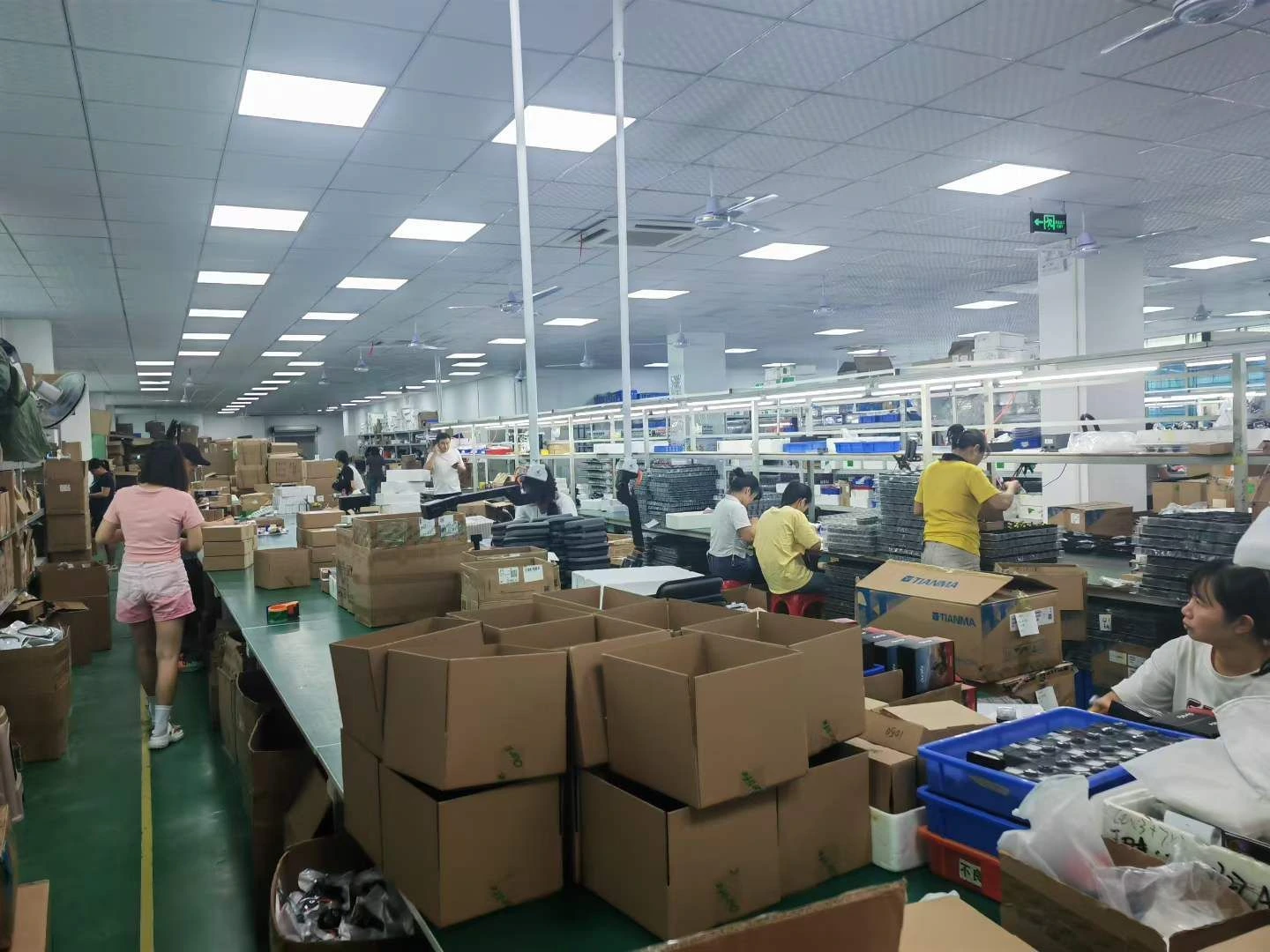
Experienced production workers contribute knowledge of assembly, handling and packing. AUSEK's quality process covers incoming materials, in-process work, finished products and outgoing goods. Resolving a material or assembly issue at the factory can save the importer the work of opening, sorting and repacking goods after arrival.
The benefit is particularly clear for a branded action-camera kit. The camera, mount, manual and retail box need to fit together. A common sample and one manufacturing contact make it easier to resolve dimensions, operating instructions and packing changes before shipment.
These capabilities should lead to a useful offer: the required product, a clear amount of work completed and an agreed delivery arrangement. Compare that offer with the tasks and costs your team would otherwise carry.
Check the total purchase before choosing the quantity discount
Once the products are comparable, look at the total commitment. A lower unit price at a larger quantity can be useful for an established seller with recurring demand. For a new range, concentrating the first order on fewer models may leave more money for product photography, distribution and the next replenishment.
Show both the unit price and the full order value in the internal proposal. Keep one-time brand preparation separate, since later reorders may reuse that work. The purchasing decision becomes easier to explain when the team can see the stock, preparation and delivery being bought.
Send the intended camera, quantity, target market and complete kit requirement to sales@ausek.com, including any work you prefer to finish locally. AUSEK can then discuss a defined factory-supplied option that makes the total cost comparison useful.