A private label action camera project should not start with only a logo request. Before sampling, buyers need to prepare the target market, sales channel, expected feature level, order quantity, logo file, packaging direction, manual language, accessory bundle and certification requirements. The clearer the brief, the easier it is for the manufacturer to recommend a suitable model and avoid repeated sample revisions.
The sample stage matters because it becomes the reference for mass production. Buyers should use it to check not only the camera, but also the brand presentation, packaging, accessories, instructions and market fit.
Start with the Target Market
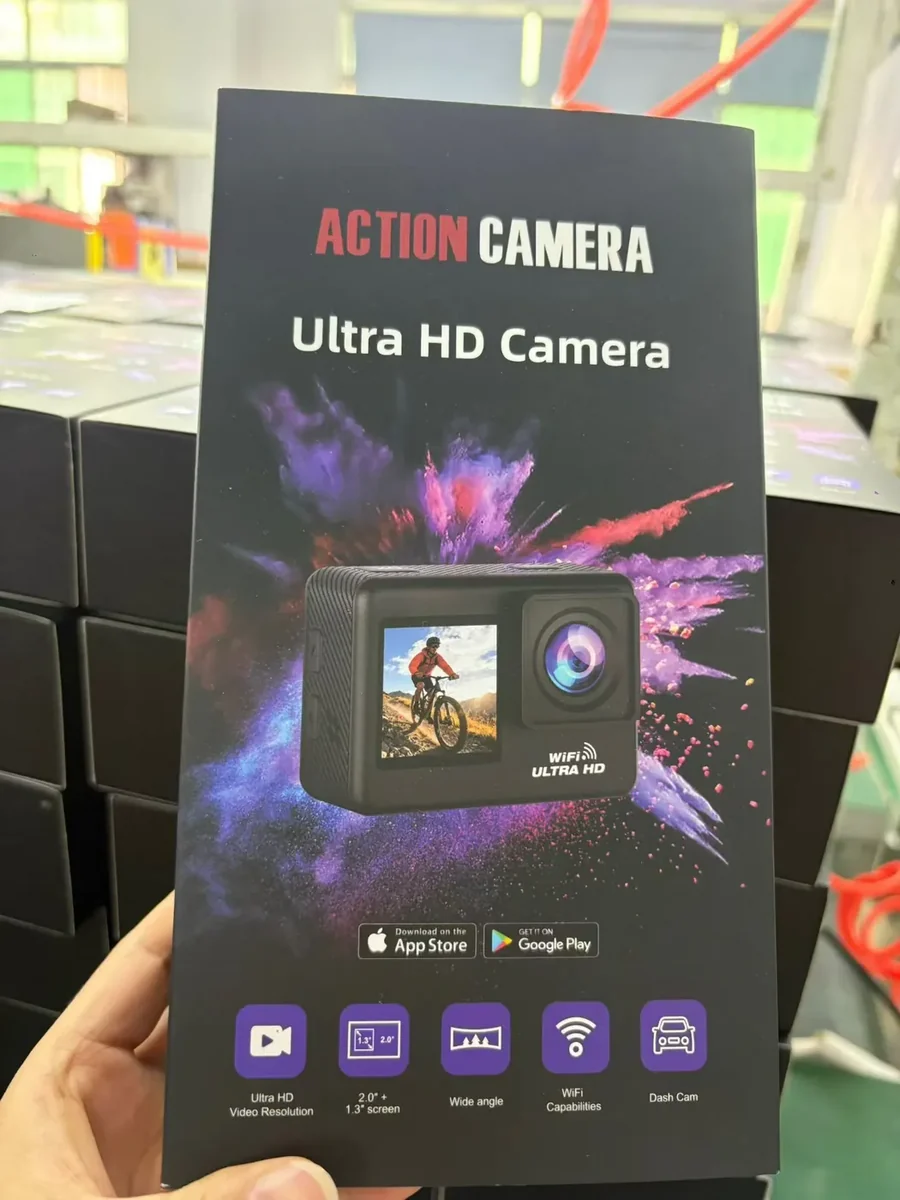
Image 1: Private-label action camera retail box display
The target market affects the product more than many buyers expect. A model sold in the United States, Europe, Japan, Korea or the United Kingdom may need different documents, labels, languages or charger considerations. A product sold through a retail chain may also face different requirements from a product sold on an online marketplace.
Before asking for a sample, define the country or region, sales channel, target retail price, intended user and any compliance documents required by the channel.
A gift-channel buyer may care about packaging and price. An e-commerce seller may focus on reviews, accessories and product-page accuracy. A distributor may need stable repeat orders and broader category planning. These differences should influence sampling.
Choose the Product Level Before Asking for Branding
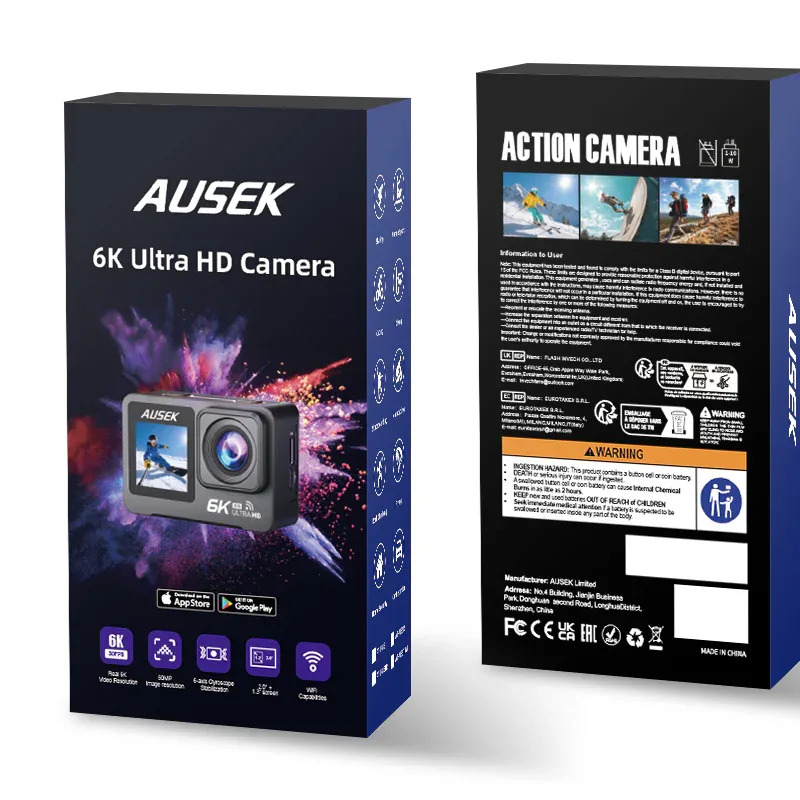
Image 2: Action camera box side view for packaging detail review
Private label buyers often begin with a request such as “4K action camera with my logo.” That is too broad for serious sourcing.
Before branding, clarify the product level:
- expected resolution and frame rate;
- stabilization requirement;
- waterproof housing or waterproof structure;
- screen setup;
- battery expectation;
- Wi-Fi or app function;
- remote control option;
- included accessories;
- target price range.
A product does not have to be the highest specification to be suitable. It has to fit the buyer’s channel and customer expectations. For example, an entry-level bundle may work for gift channels, while an outdoor sports channel may need stronger stabilization and accessories.
Prepare Logo Files Properly
Image 3: Bundled camera accessories prepared for order configuration
Logo customization is simple only when the files are ready. Buyers should prepare a clear logo file, preferably in vector format. It helps to provide different versions: full color, black, white and single-color versions.
Also confirm where the logo should appear: camera body, packaging, manual, product label or accessories. A logo that looks good on a large box may not work well on a small camera surface. Logo size and position should be checked on the sample or a production mockup before approval.
If the brand has usage guidelines, share them early. Late logo adjustments can delay packaging and production.
Plan Packaging Early
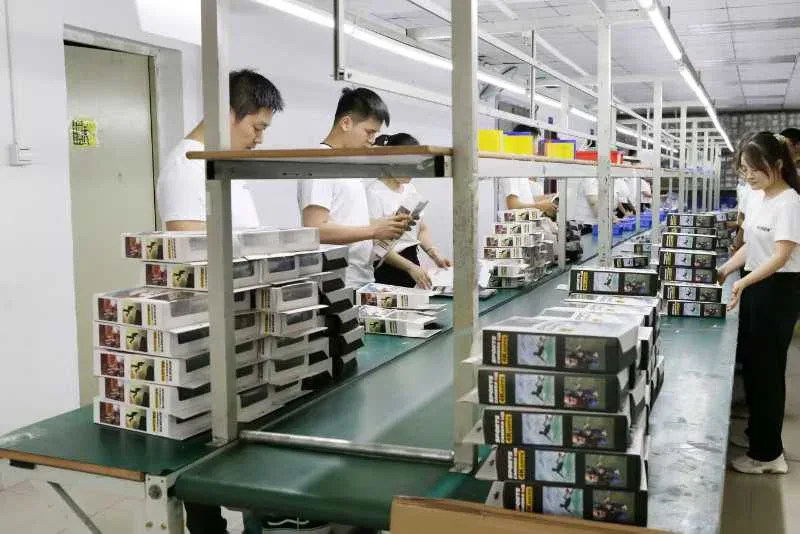
Image 4: Workers packaging camera boxes before shipment
Packaging is part of the product experience. It affects shelf presentation, shipping protection, customer expectations and compliance information.
Buyers should prepare:
- package style;
- product name;
- main feature text;
- product images or render direction;
- accessory list;
- language requirements;
- barcode or SKU information;
- warning labels;
- retail or platform requirements.
Packaging should not overstate product functions. If waterproof use requires a housing, the packaging should say so clearly. If an accessory is optional, it should not be shown as included.
For private label projects, packaging delays are common because artwork is not ready. Starting packaging preparation during the sample stage helps reduce waiting time later.
Confirm Manual and Language Needs
Action cameras often have multiple modes, buttons, settings, memory-card requirements, charging steps and app connection instructions. A weak manual can increase customer questions even when the product works correctly.
Buyers should confirm the manual language, product model, function description, charging instructions, memory-card recommendations, waterproof housing instructions, Wi-Fi or app setup and warranty wording.
Manual content should match the selected model. If the manual describes a feature that the model does not include, after-sales problems are likely.
Decide the Accessory Bundle
Accessories can make or break an action camera package. A strong camera with the wrong accessory set may not satisfy the target user.
Possible accessories include waterproof housing, mounts, adhesive pads, brackets, charging cable, battery, remote control, protective frame, helmet mount, bicycle mount and storage bag. The right bundle depends on the use case.
A cycling-focused set may need different mounts from a water-sports set. A gift-channel set may need fewer accessories to control cost. An online marketplace bundle may need enough included items to look complete in product photos.
The accessory list should be confirmed before packaging design because it affects box size, cost and inspection.
Check MOQ and Lead Time Conditions
For customized camera projects, a standard MOQ may start from 1,000 units per model, depending on model and order plan. Buyers should ask whether the MOQ changes by color, package version or accessory bundle.
Lead time should also be tied to real project milestones. Customized production usually depends on confirmed model, quantity, logo files, packaging artwork, manual content and commercial terms. If packaging or manual content is delayed, production timing may shift.
Review Certifications Before Sampling Is Finalized
Certification requirements depend on product model, target market and order plan. Depending on the market and product, documents such as CE, FCC, RoHS, UKCA, KC, Telec, CPC or EN71 may be relevant.
Buyers should ask whether the selected model has available documents and whether those documents match the model being sampled. If the product will be positioned for children or sold in toy-related channels, extra review may be needed.
This check should happen before mass production, not after packaging is printed.
Test the Sample as a Customer Would
Sample testing should go beyond turning the camera on. Buyers should test recording, photo mode, stabilization, charging, battery, screen display, button response, menu language, app connection if available, accessory fit, packaging, logo position and manual accuracy.
Written sample feedback is safer than verbal feedback. If a change is needed, it should be confirmed before production.
Supplier Data as a Useful Reference
A supplier’s private-label capability should be described in concrete terms. AUSEK’s company information lists OEM support covering logo customization, packaging customization, user manual customization, multilingual materials and accessory bundle solutions. Those are the kinds of items buyers should confirm with any supplier before sample approval.
Conclusion
A private label action camera sample is not only a product sample. It is a production reference. Buyers should prepare market details, model requirements, logo files, packaging direction, manual language, accessories, certification needs and a sample-testing checklist before approval.
This preparation reduces revisions and helps make the move from sample to bulk order more predictable.
FAQ
What should buyers prepare before sampling private label action cameras?
They should prepare target market, product requirements, logo files, packaging direction, manual language, accessory bundle, certification needs, order quantity and a sample-testing checklist.
Is logo customization enough for private label sales?
Usually not. Packaging, manuals, labels, accessories and market documents also need review.
What MOQ is common for customized camera projects?
A standard MOQ may start from 1,000 units per model, but the final requirement depends on model, customization scope and order plan.
Should packaging be reviewed during sampling?
Yes. Packaging affects cost, lead time, retail presentation and compliance labeling.
Why test the sample before mass production?
Testing confirms product function, accessory fit, packaging accuracy, manual content and customization details before bulk production.