Camera customization has different levels. Some changes are brand-level adjustments, such as logo, packaging and manuals. Other changes involve the product itself, such as software, hardware, structure or custom tooling, including mold development. B2B buyers need to know which level they are requesting before asking for samples or a final quotation.
This distinction affects MOQ, cost, lead time, testing and certification review. A project runs more smoothly when the buyer separates standard OEM customization from deeper ODM development.
Why Customization Scope Needs to Be Clear
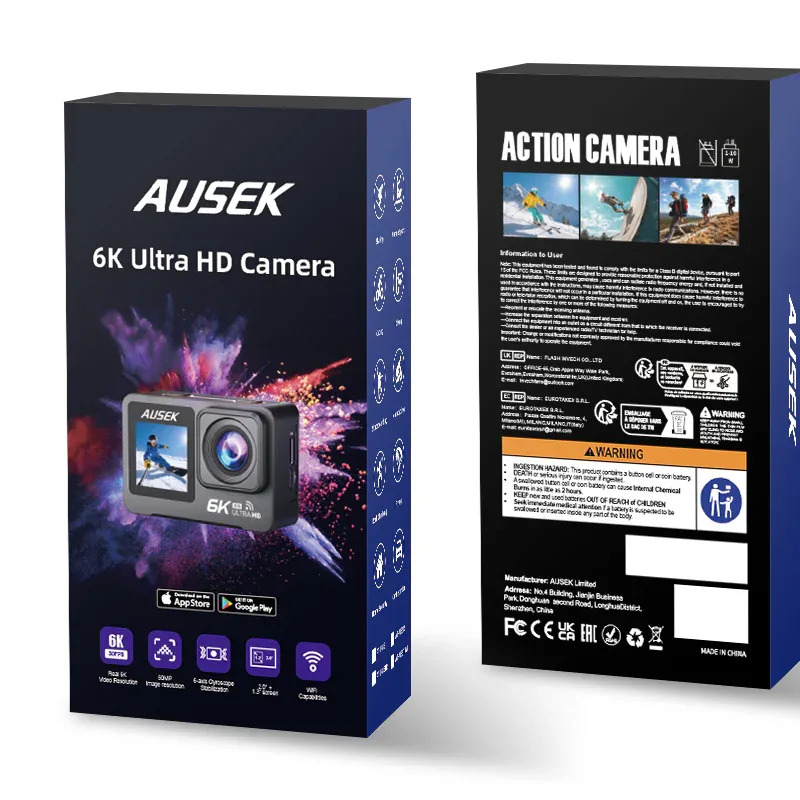
Image 1: Packaging and logo area for camera customization
A camera is not just a shell with a lens. It includes electronic components, firmware, battery, screen, housing, buttons, accessories, packaging and user instructions. A change in one area may affect another.
For example, changing packaging may affect carton size and shipping cost. Changing a battery may affect internal structure and safety review. Changing firmware may affect user experience and testing. Custom tooling may change the whole development schedule.
Clear scope helps the manufacturer evaluate what is simple, what needs engineering review and what may affect the order plan.
Logo Customization
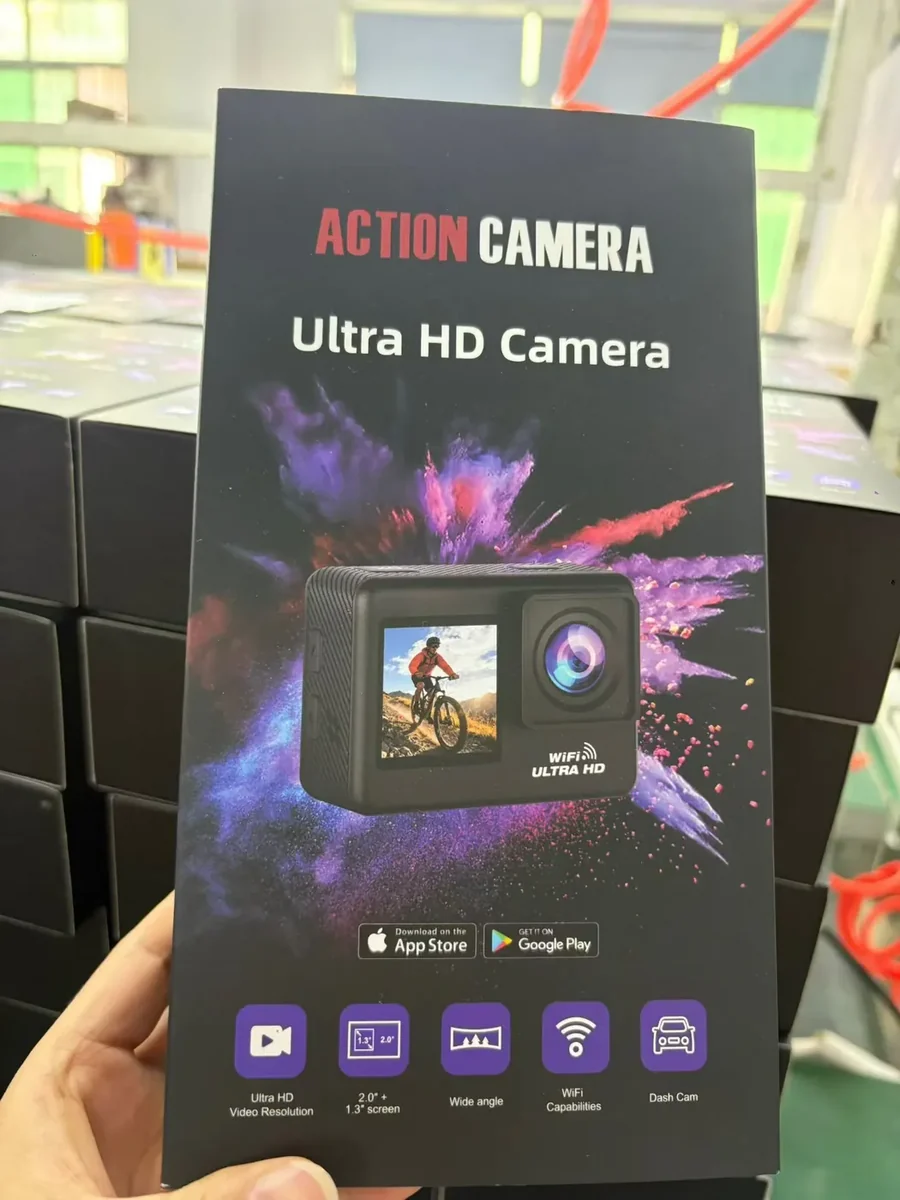
Image 2: Retail packaging display for brand customization
Logo customization is one of the most common OEM requests. A logo may appear on the camera body, color box, manual, label or accessory.
Buyers should prepare a usable logo file, preferred logo position, color rules and size requirements. Vector files are usually easier to adapt for production. If the brand has guidelines, they should be shared before artwork begins.
Logo placement should be checked on a sample or mockup. A small camera surface may not allow the same logo treatment as packaging.
Packaging Customization
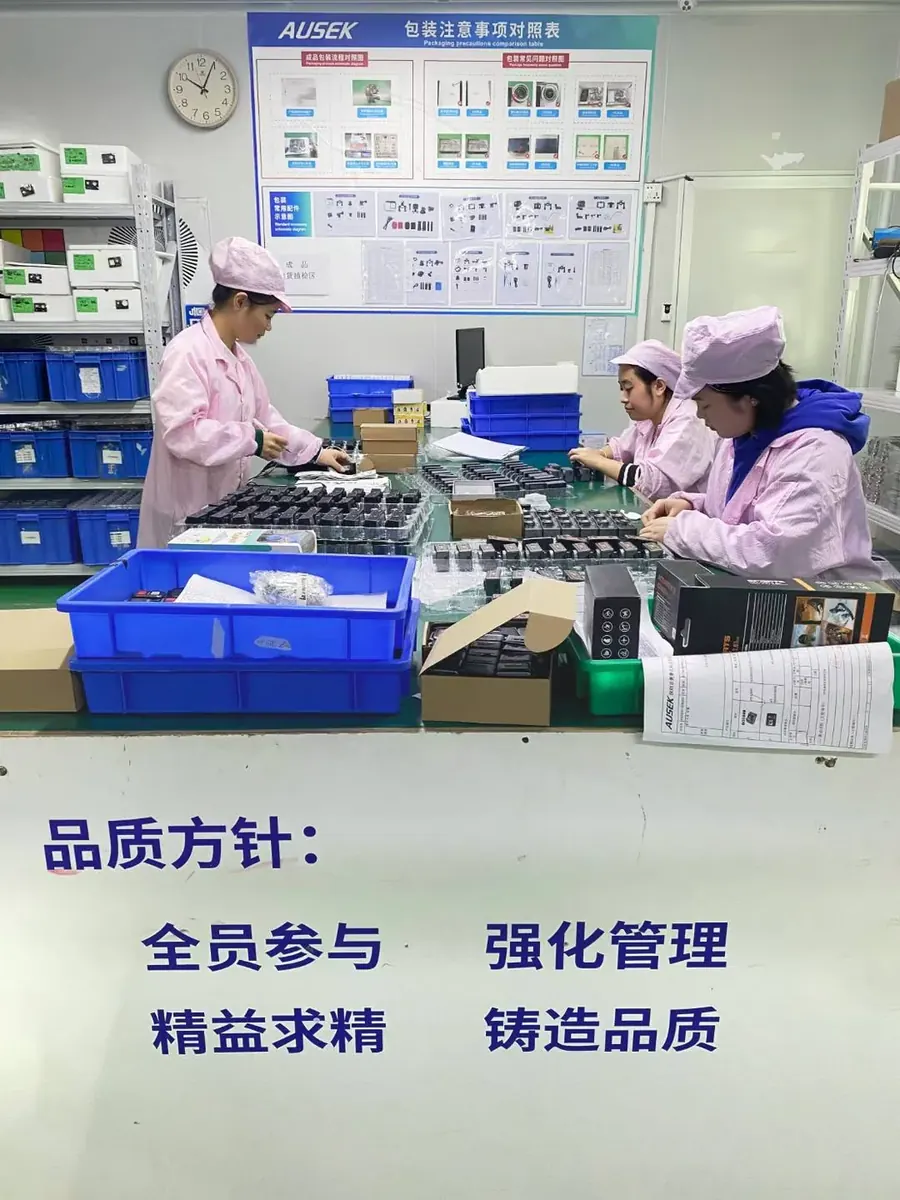
Image 3: Engineering room for software and hardware customization review
Packaging has a direct effect on sales presentation and customer expectations. For retail buyers, packaging needs shelf clarity. For e-commerce sellers, it needs shipping protection and accurate product claims. For gift channels, visual style may be especially important.
Packaging customization can include product images, feature icons, barcode, SKU labels, accessory list, language version, warnings, retail layout and carton marks.
Buyers should avoid finalizing packaging too late. If the accessory bundle changes, the box may also need to change. If the target market has label requirements, those should be checked before printing.
User Manual and Language Customization
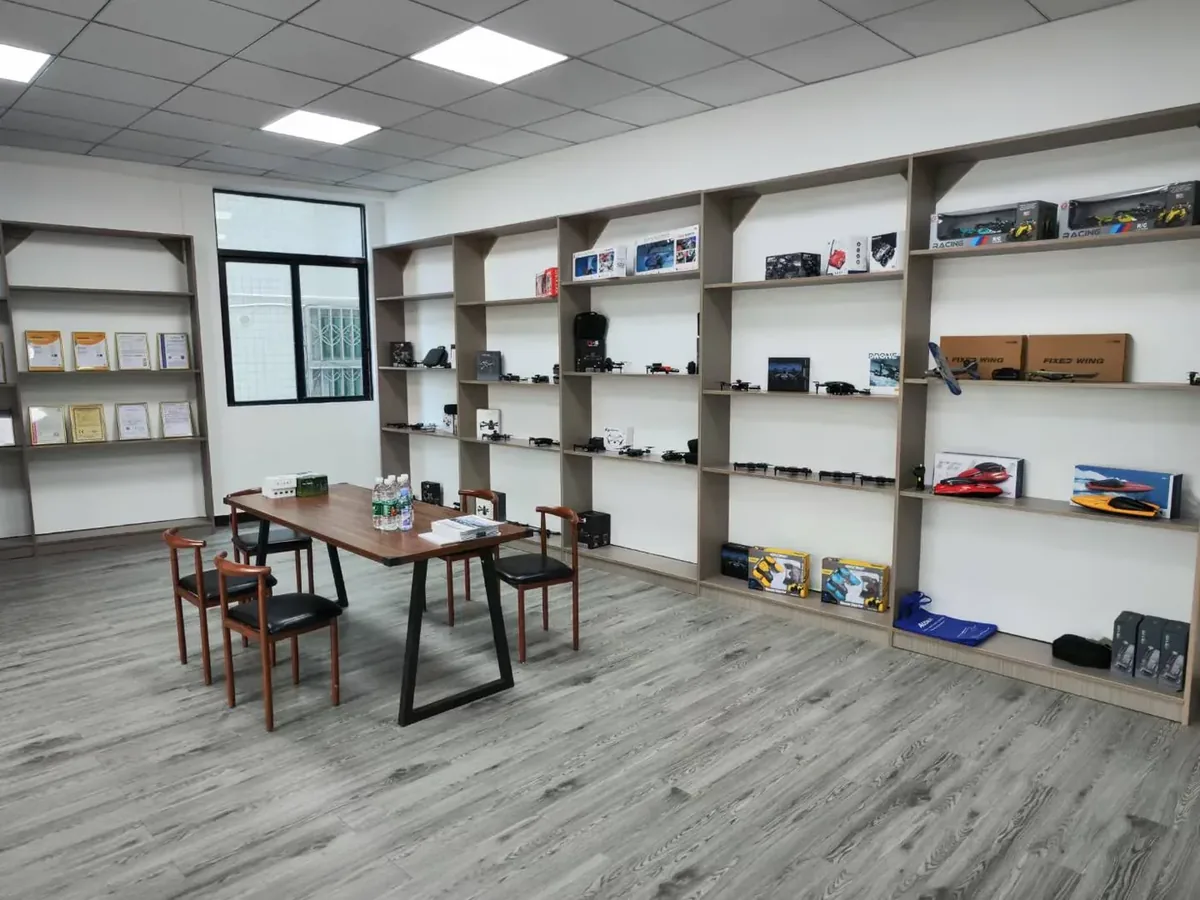
Image 4: Product showroom sample room for model option review
User manuals are often treated as a small item, but for cameras they affect after-sales pressure. A camera may include multiple modes, app connection, memory-card requirements, charging instructions and waterproof-use notes.
Manual customization may include language, product model, brand name, function description, button instructions, app steps, safety warnings and warranty wording.
The manual must match the selected model. A manual that includes unavailable functions can create customer complaints and platform review issues.
Label and Barcode Customization
Labels may be required on the product, packaging or carton. They can include barcode, SKU, model number, importer information, warning text, recycling marks or market-specific symbols.
These details should be confirmed early because they may affect packaging layout. Retail chains and online platforms may have specific label rules. If the buyer has an internal SKU system, it should be shared before packaging files are finalized.
Accessory Bundle Customization
Camera products often depend on accessories. For action cameras, accessories may include waterproof housing, mounts, brackets, adhesive pads, cables, batteries, remote controls or storage bags. For digital or pocket cameras, the accessory set may be simpler.
The accessory bundle should match the end user. Outdoor users may need more mounting options. Travel users may prefer compact accessories. Gift-channel buyers may prefer a smaller set to control cost.
Accessory changes can affect the quotation, packaging size and inspection checklist.
Software Customization
Software customization is deeper than logo or packaging work. It may involve menu language, startup screen, default settings, firmware logic, app behavior or interface text.
Software changes should be described clearly. “Customize the software” is too broad. The buyer should explain exactly what should change and why.
Any firmware change needs testing. Even a small change may affect operation, stability or user instructions.
Hardware Customization
Hardware customization may involve screen, battery, lens, charging port, buttons, wireless module, microphone, speaker or internal configuration. These changes are more complex because they can affect structure, cost, battery life, heat control and certification documents.
Buyers should consider whether hardware changes are necessary. If an existing model already fits the market, OEM customization may be more efficient. Hardware changes are usually justified only when they create clear product value.
Custom Tooling and Mold Development
Custom tooling, including mold development, is usually the deepest customization level. It may involve industrial design, structural design, tooling cost, engineering samples and production validation.
This type of project should begin with a clear product concept, target user, cost range, expected order quantity and development timeline. It is not suitable for vague requests or small changes that can be handled through existing models.
What Usually Cannot Be Changed Quickly
Some product details are tied to the core design. Chipset, sensor, lens structure, mainboard, battery space, waterproof structure and mold shape usually cannot be changed quickly. These requests may require engineering review or a new development project.
Buyers should ask whether a change is standard, engineering-level or not feasible under the current order plan.
Supplier Data as a Reference
AUSEK’s OEM support covers logo placement, packaging, user manuals, multilingual materials and accessory bundles. Projects that require software, hardware, structural or custom tooling changes are evaluated separately for feasibility, timing and cost.
Conclusion
Camera customization is not a single task. Logo, packaging, manuals, labels and accessories usually belong to OEM customization. Software, hardware, structure and custom tooling changes belong to ODM development.
For B2B buyers, the practical step is to define the customization level before sampling. This makes quotations, timelines and technical reviews more accurate.
FAQ
What camera items can usually be customized?
Common items include logo, packaging, manuals, multilingual materials, labels and accessory bundles.
What is the difference between OEM and ODM customization?
OEM customizes an existing model. ODM involves deeper changes to software, hardware, structure or mold design.
Can camera software be customized?
It may be possible, but it requires clear requirements, engineering review and testing.
Does packaging customization affect lead time?
Yes. Artwork, printing, labels and packaging samples can affect the schedule.
Can every camera feature be changed?
No. Some features depend on chipset, sensor, structure, battery or mold design and may require deeper development.